Appliances After a Power Surge: Warning Signs of Electrical Damage

A storm does not have to strike your house directly to create appliance problems. After a power outage, voltage fluctuation, brownout, or restoration of electrical service, an appliance may appear completely normal or it may suddenly stop working, display an error code, trip a breaker, fail to cool, or behave differently than it did before the outage.

The important question after power is restored is not simply whether the appliance turns on. It is whether every major function operates normally after power was restored.

This guide covers broad appliance warning signs after a power surge or outage. For a refrigerator-specific path, use the Refrigerator Not Cooling After a Power Outage guide.
Which Appliance Changed After the Outage?

  • Refrigerator powers on but does not cool: start with cooling status, fans, compressor behavior, and the refrigerator-specific power outage cooling guide.
  • Washer, dryer, dishwasher, or oven has partial power: separate display power from the motor, heater, drain, fill, latch, or control output that is not operating.
  • A new error code appears: take a photo before resetting and compare it with the appliance error codes guide.

New symptom after power restoration? Document the error code, smell, breaker behavior, or startup pattern, then request appliance diagnosis before repeatedly resetting the appliance.

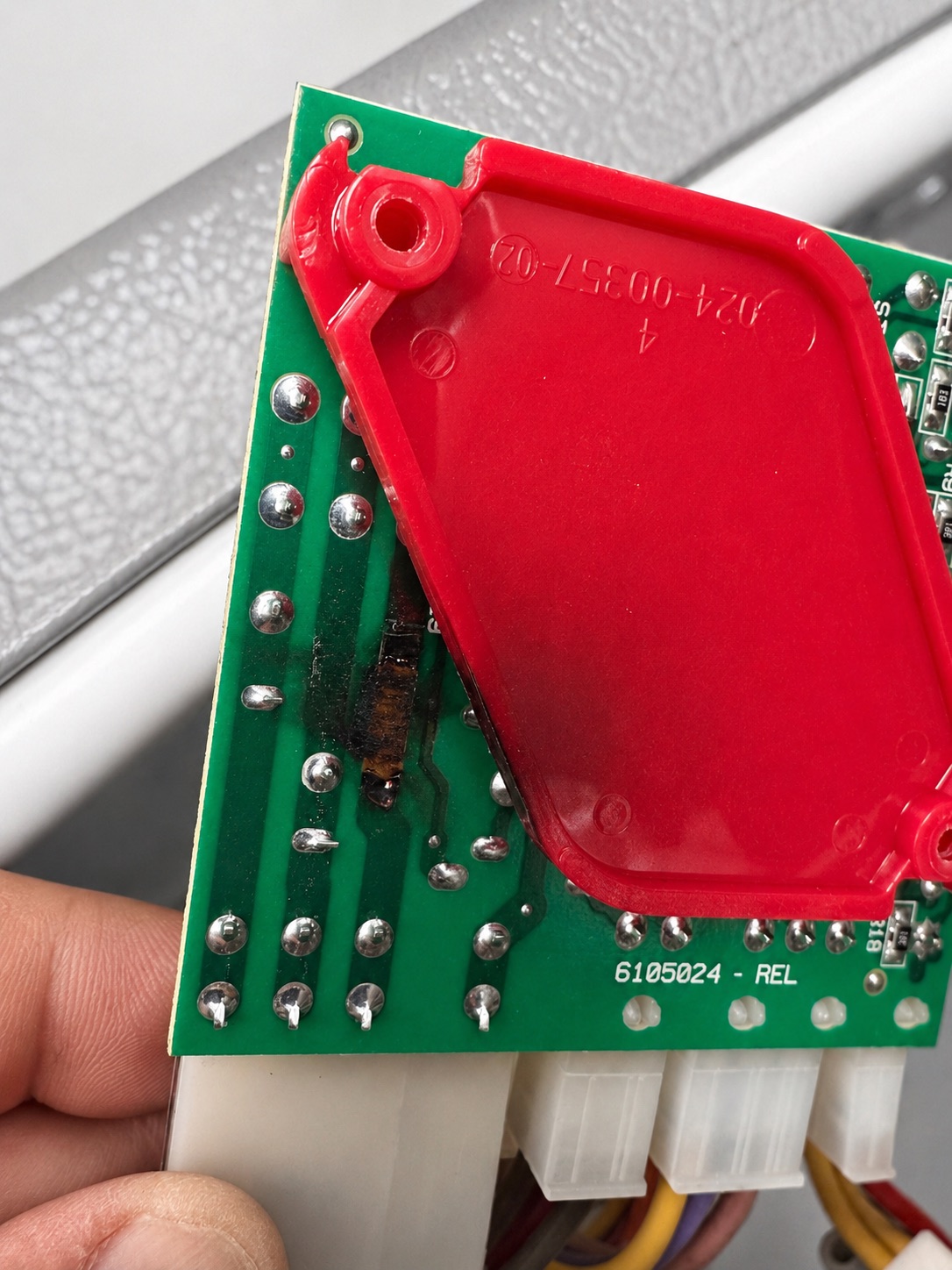
Visible burn damage on a refrigerator control board found during appliance electrical diagnosis

Power Outage and Power Surge Are Not the Same Problem

A power outage is a loss of electrical supply. The more concerning event for electronic appliances can happen when power fluctuates or returns.

Modern appliances commonly contain electronic control boards, power-supply circuits, inverter controls, displays, sensors, communication circuits, and electronically controlled motors.

That does not mean every error appearing after a storm proves electrical damage. It means the timing matters. If an appliance worked normally before an outage and developed a completely new electrical symptom immediately afterward, the power event becomes an important part of the diagnostic history.

First Check: Does the Appliance Have Power?

Completely dead

If there are no lights, no display, no sound, and no response from buttons, verify that the home still has power to that circuit and check whether the correct breaker has tripped.

Lights are on, but the appliance does not operate

This is a different symptom. Incoming power may be present while another part of the appliance is not starting correctly.

  • refrigerator lights work but the compressor does not start;
  • washer display works but Start produces no cycle;
  • dryer display works but the motor does not run;
  • dishwasher controls respond but the cycle never begins;
  • oven clock works but heating does not start.

Do not diagnose these situations as a bad control board based only on the fact that the display still works. A technician should identify which output or system has actually stopped operating.

Warning Sign #1: New Error Codes After the Outage

Take a photo of the error code before resetting the appliance. That information can disappear after unplugging the appliance, cycling the breaker, entering diagnostics, or performing a reset.

An error code is a diagnostic clue. It is not automatically the name of the failed part.

View common appliance error codes

Warning Sign #2: The Appliance Keeps Restarting

Electronic controls should not normally reboot repeatedly during ordinary operation.

  • display goes blank and comes back;
  • control panel resets;
  • refrigerator lights cycle;
  • washer restarts its startup sequence;
  • appliance repeatedly beeps;
  • settings disappear;
  • error code returns after every restart.

If this behavior began immediately after an electrical event, document it before repeatedly resetting the machine. Intermittent electrical symptoms are often harder to diagnose once they temporarily disappear.

Warning Sign #3: Breaker Trips When the Appliance Starts

There is an important difference between a breaker that tripped once during the storm and a breaker that trips every time the appliance attempts to operate.

If the breaker repeatedly trips during startup or when a particular function activates, stop resetting it over and over. Repeated tripping can indicate an electrical fault that needs proper diagnosis.

Warning Sign #4: Burnt Smell or Visible Electrical Damage

Warning Sign #5: Refrigerator Has Power but Is Not Cooling

This is especially common after outages because refrigerators automatically restart when power returns. But the lights coming back on does not prove the cooling system restarted correctly.

  • Is the compressor running?
  • Are refrigerator fans operating?
  • Is the control showing Cooling Off or Demo mode?
  • Is an error code displayed?
  • Are both refrigerator and freezer warming?
  • Is only one compartment warm?

Use the refrigerator-specific power outage cooling guide

Compressor Clicking After a Power Event

A refrigerator that begins clicking after an outage needs a different diagnostic path from one that is completely dead. You may hear click, hum, click followed by a pause and another attempt.

Possible diagnostic areas include compressor start components, inverter or control systems, the compressor itself, and incoming power conditions. Do not repeatedly disconnect and reconnect the refrigerator every few minutes.

Washer Will Not Start After a Power Outage

Modern washers use electronic controls for door or lid locking, water valves, motor control, drain operation, speed sensing, and cycle sequencing.

If a washer worked before the outage but now will not begin a cycle, note exactly how far it gets: completely dead, display works but Start does nothing, locks but never fills, fills but the motor never starts, or drains immediately.

Washer repair service

Dishwasher Will Not Start After a Power Outage

A dishwasher may retain power while refusing to run. Check for flashing control lights, an error code, an unresponsive Start button, a drain pump running continuously, door-latch behavior, or breaker trips.

A control reset may be appropriate on some models, but follow the manufacturer's procedure for that specific dishwasher rather than repeatedly switching power on and off.

Dishwasher repair service

Dryer Has Power but Will Not Start

After a power event, determine whether the display operates, the drum light operates, Start produces a click, the motor hums, the breaker trips, the electric dryer heats but does not tumble, or the drum turns but there is no heat.

These symptoms involve different circuits. The screen lighting up does not prove that the dryer is receiving everything required for normal operation.

Dryer repair service

Oven Display Works but the Oven Does Not Heat

Electronic ranges can present partial-power symptoms. The clock or control panel may appear normal while bake does not heat, broil does not work, an error code appears, controls reset, or the range trips a breaker.

A technician should distinguish between a supply problem, control problem, heating circuit problem, and appliance wiring problem.

Oven and stove repair service

Microwave Problems After a Surge

If a microwave becomes completely dead, intermittently dead, unable to heat, breaker-tripping, or associated with a burning smell, internal testing should be left to qualified service personnel.

Microwave repair service

A Reset Is a Test, Not Proof of Repair

Sometimes power cycling restores normal operation. If the appliance works normally afterward and the symptom does not return, an electronic startup condition may have been temporary.

But if you have to reset the appliance every day, every few hours, after each cycle, or every time the compressor starts, the reset has not fixed the underlying problem. Record that pattern for diagnosis.

Do Not Replace the Main Control Board Just Because There Was a Storm

This is an expensive diagnostic mistake. A control board can fail, but the same appliance may also fail to operate because of tripped supply, internal protection, start components, inverter issues, motor problems, latch problems, wiring damage, another component pulling the supply down, or an incorrect operating mode.

Power surge is not a part number. The failed system needs to be confirmed.

What You Can Safely Check

  • whether the home currently has normal power;
  • whether the breaker is tripped;
  • whether the appliance display or lights work;
  • whether a new error code appears;
  • whether the appliance starts a cycle;
  • whether the breaker trips again;
  • whether there is a burnt smell;
  • whether the problem began immediately after the outage;
  • which functions still work and which do not;
  • the appliance model number.

Take photos or video of intermittent errors when possible. That information can be extremely useful during the service call.

When Should You Stop Using the Appliance?

Important After Hurricanes: Power Damage and Flood Damage Are Different

An appliance exposed only to an outage is a different situation from an appliance that has been exposed to floodwater. If storm water entered an appliance, do not simply wait for it to dry and plug it back in.

Wet electrical and gas appliances can present shock and fire hazards and should be professionally evaluated after flood exposure.

How to Prepare Appliances Before a Major Storm

When an outage occurs or is expected, disconnect appliances and electronic equipment where appropriate, use properly rated surge protection where suitable, and follow appliance manufacturer instructions and local emergency guidance.

For large hardwired appliances or situations where electrical conditions are unsafe, do not improvise electrical work.

When Should You Schedule Appliance Service?

Professional diagnosis makes sense when an appliance was working normally before the outage and developed a new symptom immediately after power restoration.

  • the appliance remains completely dead despite confirmed household power;
  • controls repeatedly reset;
  • the breaker repeatedly trips;
  • a persistent error code appears;
  • a refrigerator powers on but does not cool;
  • a washer or dishwasher powers on but does not begin normal operation;
  • a dryer or oven has partial power but key functions do not work;
  • there is a burning smell or abnormal electrical behavior.

Tell the technician: The appliance worked normally before the power outage, and this symptom started immediately after power was restored. That timeline matters.

Photo guide

Diagnostic Photos

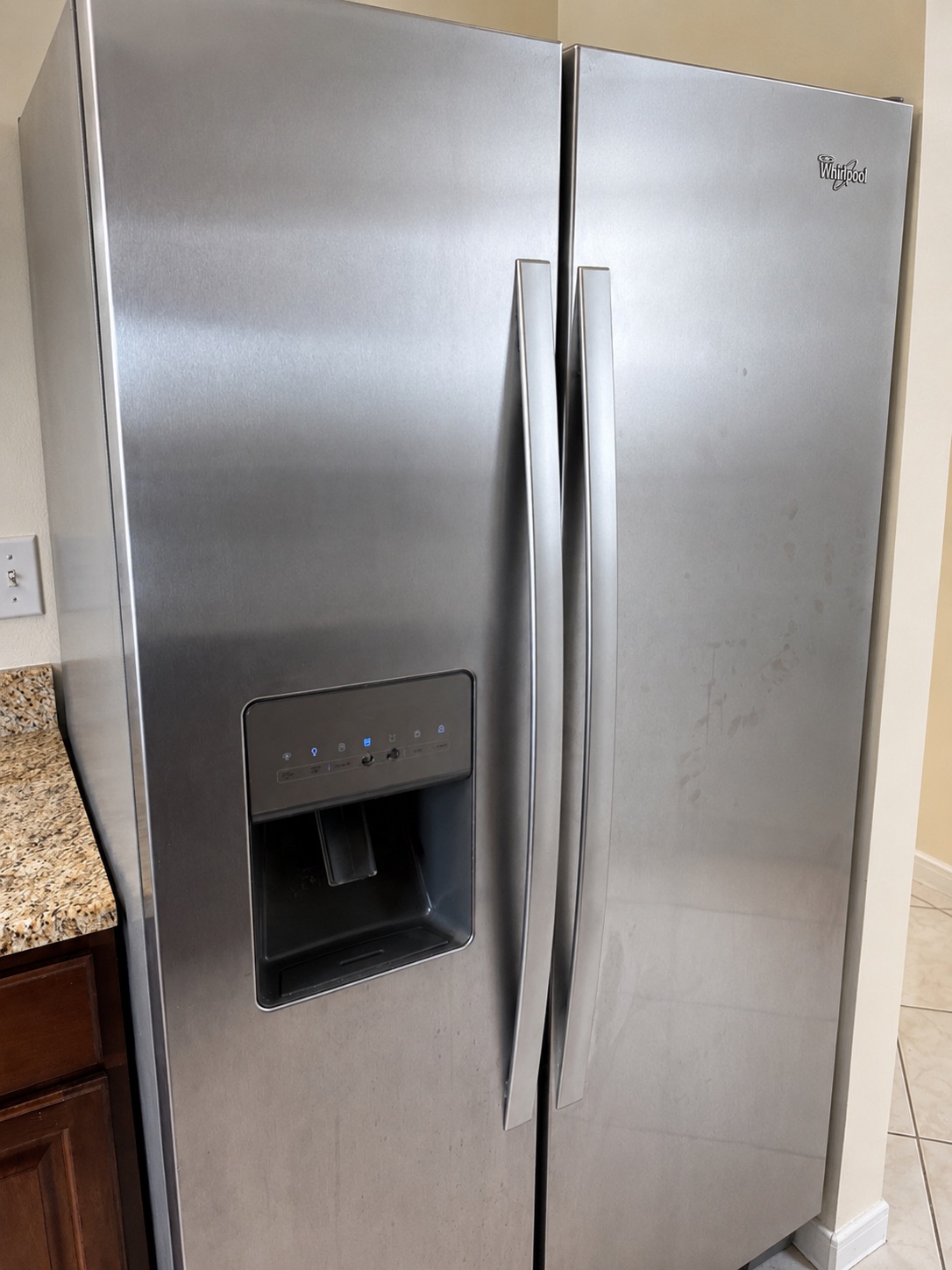
Whirlpool refrigerator inspected during an appliance service call after an electrical complaint
After a power event, the useful question is whether every major function still operates normally, not only whether the lights turn on.
Genuine burn damage visible on a refrigerator control board during diagnosis
Real electrical evidence matters. A burned connector or board should be documented and diagnosed rather than guessed from the timing of a storm.
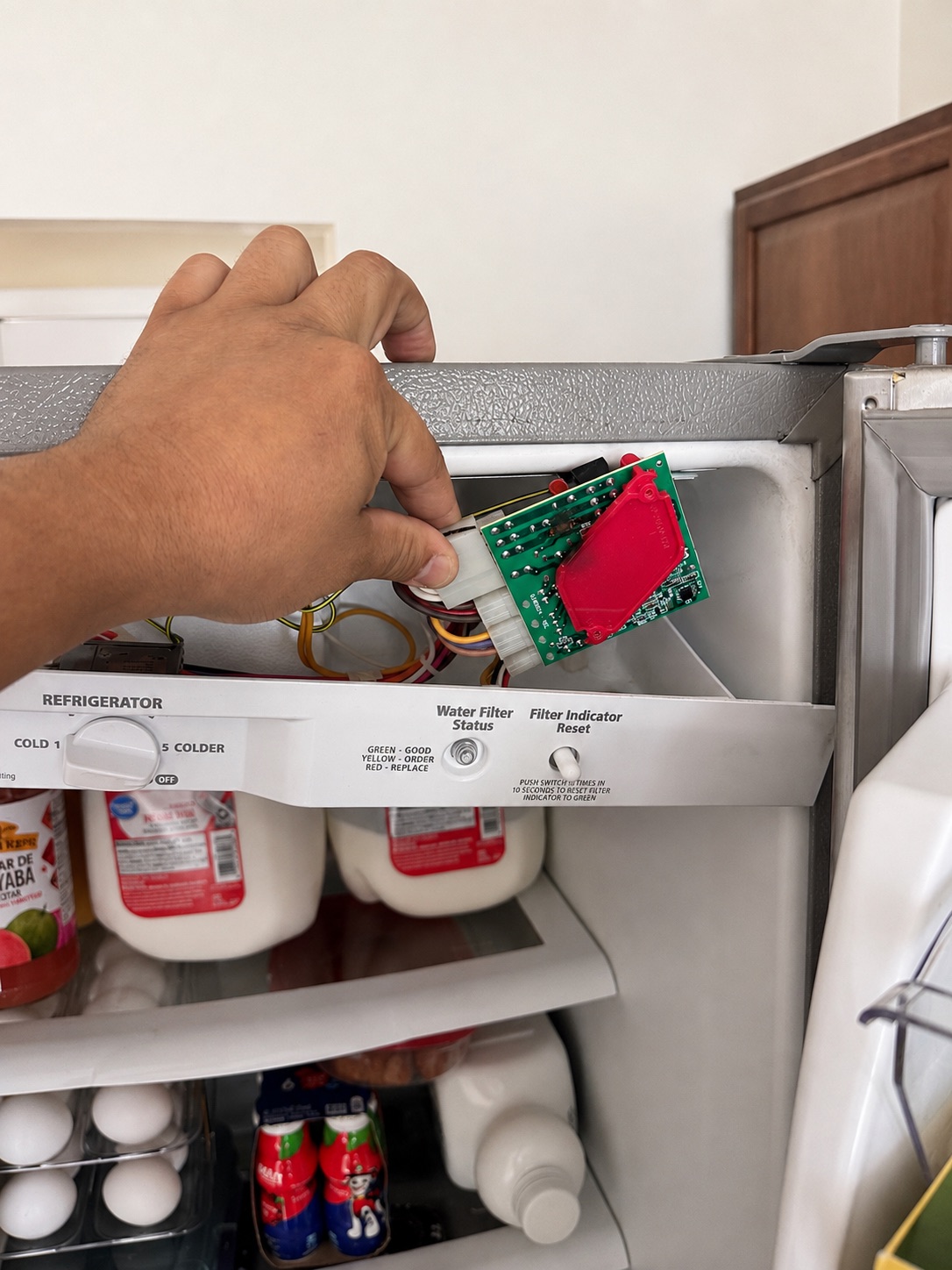
Refrigerator control board inspected during electrical diagnosis
A technician checks power, outputs, wiring, loads, and control behavior before recommending a control board or other electrical component.
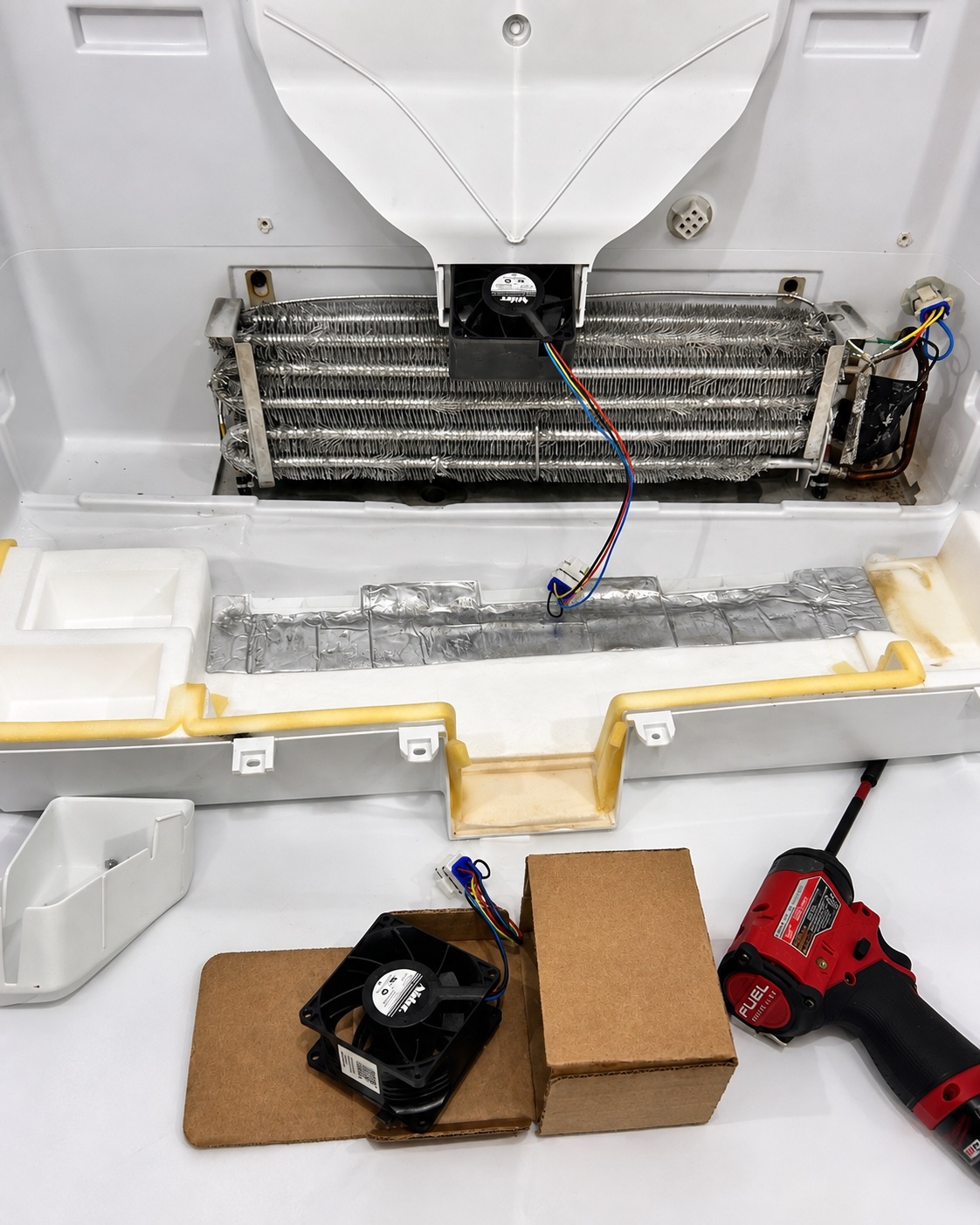
Replacement refrigerator fan installed during a cooling repair
Some post-outage symptoms are caused by a confirmed failed component, while others are restart, mode, airflow, or supply problems.
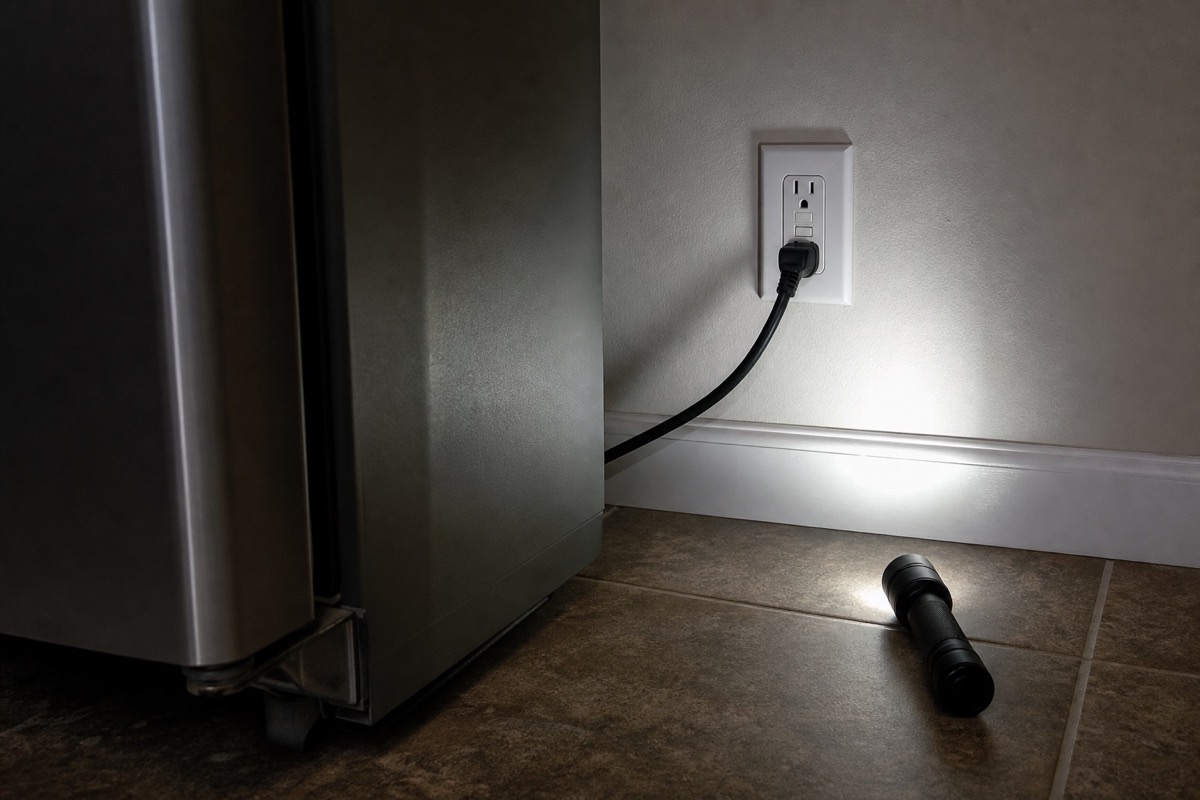
External outlet and power connection checked after a refrigerator power interruption
Safe external checks can help separate a home power issue from an appliance issue before deeper diagnosis begins.

Local Appliance Service

We provide appliance diagnostics and repair across Cape Coral, Fort Myers, and surrounding Southwest Florida service areas.

For scheduling, use the Contact page or call/text Art’s Appliance Repair directly.

Helpful Next Pages

These related guides and local service pages help connect the symptom to a practical repair path.

Refrigerator or Freezer After a Power Outage Safe restart timing, food-temperature checks, freezer recovery, floodwater warnings, and when cooling needs diagnosis. Refrigerator Not Cooling After a Power Outage Refrigerator-specific outage guide for cooling status, compressor, fan, control, and food-safety checks. Refrigerator Repair Service page for cooling, leaking, ice maker, dispenser, fan, and control problems. Washer Repair Service details for washer filling, washing, draining, spinning, lid-lock, motor, and cycle problems. Dryer Repair Service details for dryers with no start, no heat, breaker trips, motor hum, airflow, and cycle problems. Dishwasher Repair Service details for dishwasher leaks, drain problems, pump symptoms, and cleaning failures. Oven and Stove Repair Service page for oven temperature, igniter, burner, element, control, and range problems. Microwave Repair Service page for microwave no-heat, dead display, breaker trips, turntable, door switch, and control issues. Appliance Error Codes Use common display codes to describe oven, range, dishwasher, washer, dryer, refrigerator, and microwave symptoms. Recent Appliance Repairs Real local repair examples with city, brand, complaint, diagnosis, part, result, and service links. Request Appliance Service Send the appliance symptom, model number, error code, and outage timeline for scheduling.

Need service?

Appliance Repair After Power Outages in Southwest Florida

Art’s Appliance Repair diagnoses appliance problems after outages, storms, and electrical interruptions throughout Cape Coral, Fort Myers, North Fort Myers, Lehigh Acres, Estero, Bonita Springs, Naples, and surrounding Southwest Florida communities.

We service refrigerators not cooling after outages, appliance control problems, washers that will not start, dryers that stop operating, dishwashers that will not run, ovens and ranges with electrical symptoms, appliance error codes after power restoration, and intermittent appliance operation.

Call or text (239) 688-9955 to schedule service.

Service call: $0 with an approved repair. $79 if no repair is completed.

View Appliance Repair
Call Text for Service