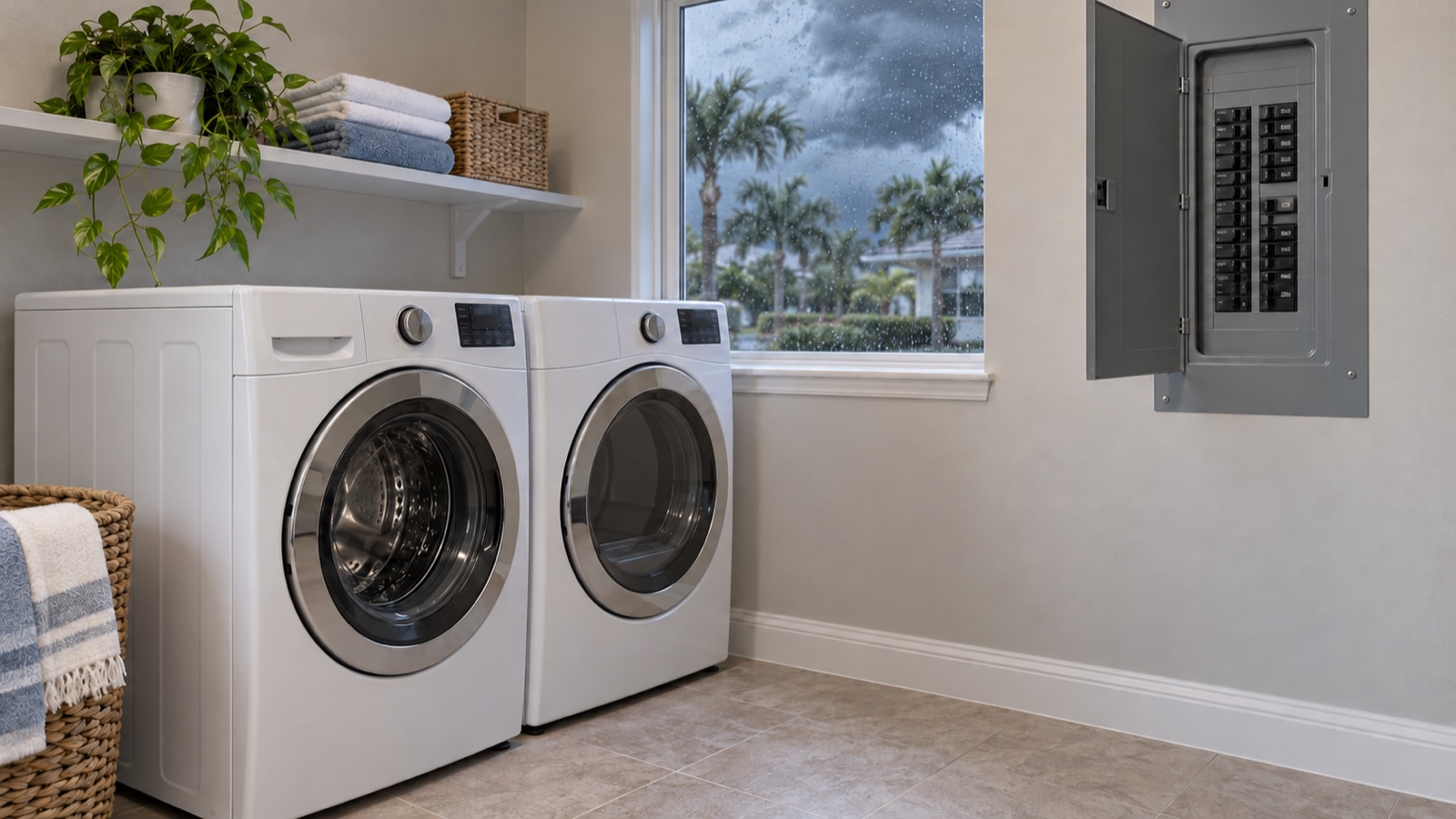
Stop First for Fire, Shock, Heat, or Water Warning Signs
The U.S. Consumer Product Safety Commission says a tripped breaker should be investigated rather than simply reset. It identifies overload, a malfunctioning product, or a short circuit as possible reasons and advises consulting a licensed electrician when the cause is uncertain.
CPSC: circuit-breaker safety precautions
Storm Timing Does Not Identify the Failed Part
A breaker may trip during an outage, when power returns, or later when an appliance starts a motor, heater, compressor, pump, fan, or defrost cycle. That timing is useful, but it does not prove a surge damaged the breaker, outlet, control board, motor, heater, compressor, or wiring.
Do not order a part from the storm timeline alone. A diagnosis must separate the branch circuit from the appliance and identify the exact load or condition that opens the breaker.
Broader warning signs after a surge, outage, or storm
Route the Trip: Home Circuit or One Appliance?
Call the utility or an electrician first
- More than one room, circuit, outlet, or appliance changed after the storm.
- Lights flicker, dim, become unusually bright, or change when a major appliance starts.
- The breaker trips while the appliance is off, unplugged by a qualified person, or not being used.
- The breaker will not remain set, the panel or outlet is warm or damaged, or a GFCI/AFCI protection device keeps opening.
- The appliance is newly installed, recently moved, or may not be on the circuit required by its installation instructions.
GE Appliances says that an immediate trip with the appliance disconnected typically points to house wiring or the breaker box and requires an electrician. That is manufacturer guidance, not a homeowner instruction to unplug a heavy, built-in, hardwired, gas, wet, hot, or damaged appliance.
GE Appliances: circuit breaker trips
Request appliance diagnosis after the circuit is safe
- The rest of the home power is stable and only one appliance is involved.
- The breaker stays on until that appliance starts a specific function such as heat, a motor, compressor, pump, spin, or defrost.
- The appliance shows a code, unusual sound, loss of one function, or a new start-and-stop pattern before the trip.
- An electrician has confirmed the branch circuit, outlet, breaker, and installation are appropriate for the appliance.
GE lists appliance components and loose internal connections among possible causes when one appliance trips a circuit, but its list is not a diagnosis. Whirlpool's washer guidance also tells owners to compare the exact installation requirements and use a dedicated circuit where specified. The model installation instructions determine the requirement.
Whirlpool: washer tripping breaker and installation requirements
Record the Exact Moment Without Repeating the Test
Use what already happened. Do not restart a hazardous or repeatedly tripping appliance to make a video or identify a cycle stage. Write down:
- whether the trip happened during the storm, when power returned, at appliance startup, or later in a cycle;
- the exact appliance function underway: cooling start, defrost, heat, ignition, fill, drain, spin, wash, dry, or another stage;
- whether the display went dark, reset, showed a code, or remained powered;
- whether any other lights, outlets, circuits, or appliances changed at the same time;
- any sound, odor, unusual heat, water exposure, damaged connection, or panel warning;
- whether anyone already reset the breaker once and what happened next.
What to Share Before Requesting Appliance Service
- Your city or ZIP code, appliance type, brand, and complete model number.
- The storm, outage, or power-restoration time and when the first trip occurred.
- The exact function running before the trip and whether the circuit now remains off.
- Whether one appliance or several circuits and appliances changed.
- Any code, sound, odor, heat, water exposure, or visible damage.
- Any electrician or utility finding already provided; do not claim the circuit was cleared unless it was.
A photo of the closed appliance display, accessible model label, and breaker position can help only when each is safe to photograph. Do not move the appliance, open the panel, or reproduce the trip for a photo.
Request local service (appointment time subject to confirmation)
Read the service-call and warranty policy
Appliance Diagnosis After Storm-Related Breaker Trips in Southwest Florida
Art’s Appliance Repair serves Cape Coral, Fort Myers, North Fort Myers, Lehigh Acres, Estero, Bonita Springs, and Naples. Share the city or ZIP code, appliance and model, storm timeline, exact cycle stage, and any electrical finding so we can confirm coverage, appliance eligibility, and appointment availability after the home circuit is safe.
We explain the diagnosis and repair price before approved work begins. The service call is $0 when an approved repair is completed; diagnosis is $79 when no repair is completed. Requested dates and times require confirmation.
Bonita Springs appliance repair
Local Appliance Diagnosis Service
Relevant local service pages include appliance repair in Cape Coral, appliance repair in Fort Myers, appliance repair in Estero, appliance repair in Bonita Springs, and appliance repair in Naples. We also serve surrounding Southwest Florida service areas.
For scheduling, use the Contact page or call/text Art’s Appliance Repair directly.
Related Appliance Guides
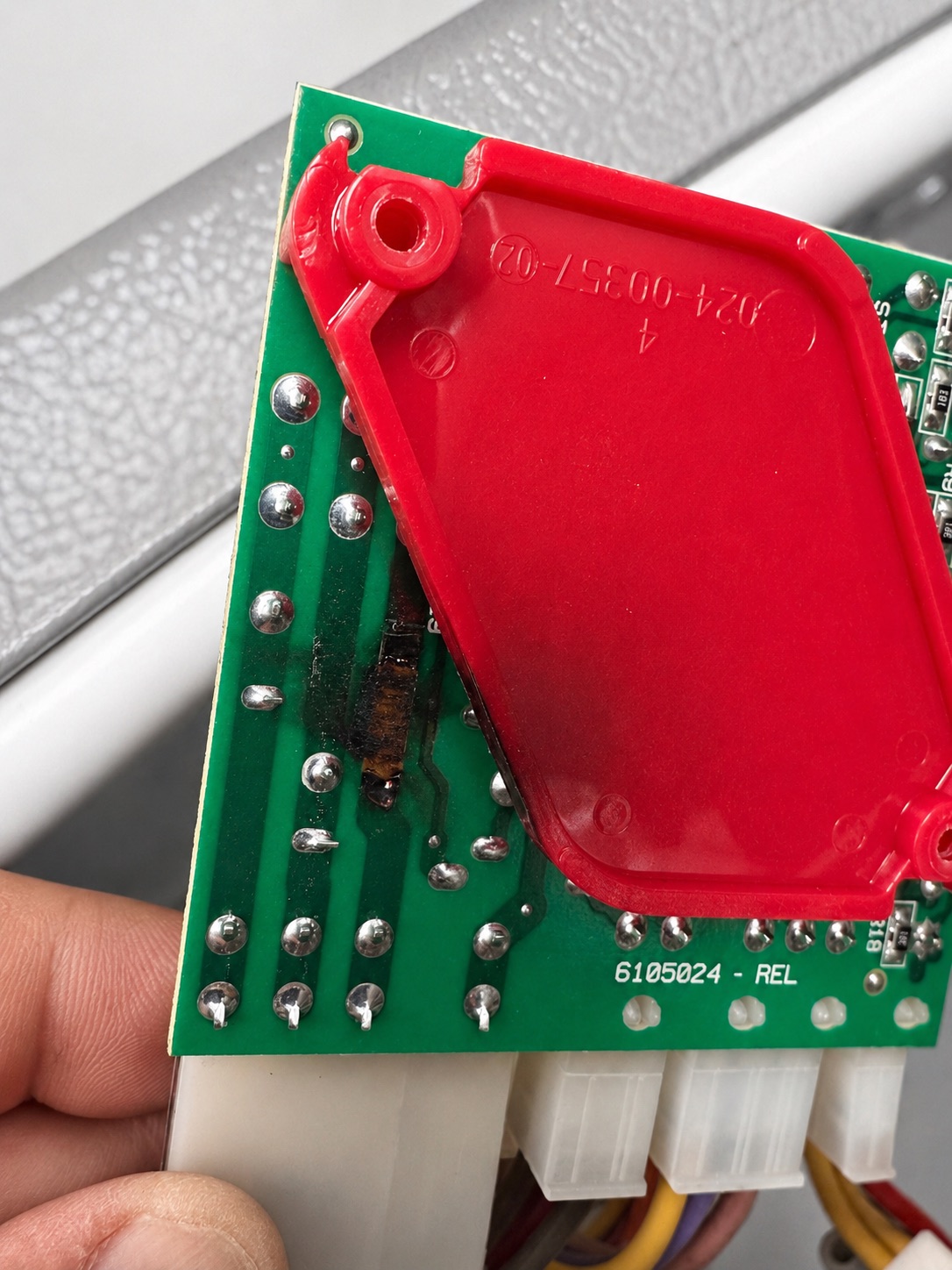
Appliance Tips
Appliances After a Power Surge: Warning Signs and Safe Next Steps
Appliance acting differently after a surge, outage, or Florida storm? Separate a home electrical problem from one appliance symptom and know when to stop and request service.
Updated October 18, 2026
Warning signs after a power surge or outage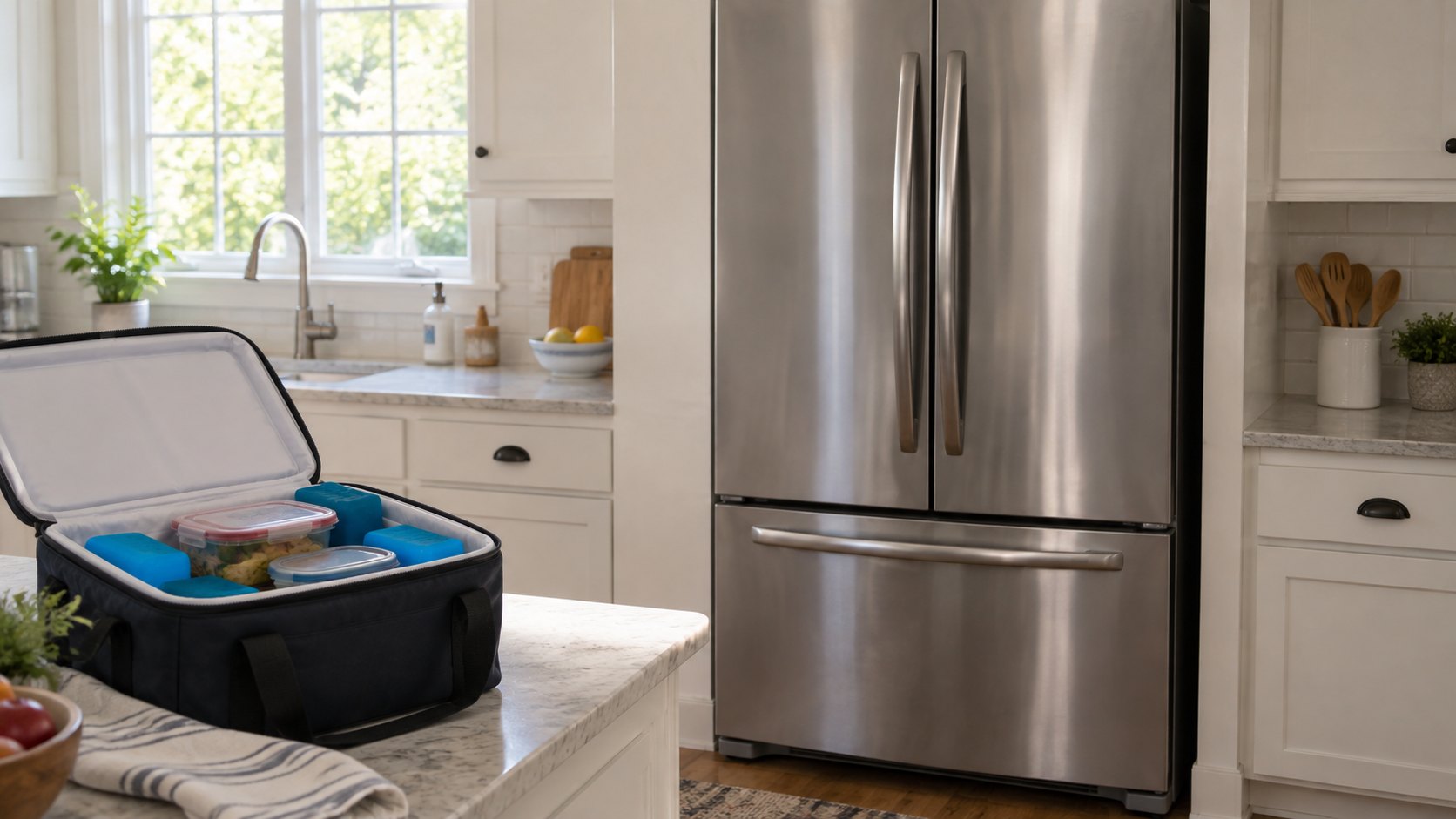
Refrigerator
Refrigerator Not Cooling After a Power Outage: What to Check
Refrigerator warm after a power outage? Separate PO from Cooling Off, protect food, and know when to request refrigerator repair in Cape Coral or Fort Myers.
Updated September 21, 2026
Refrigerator not cooling after an outage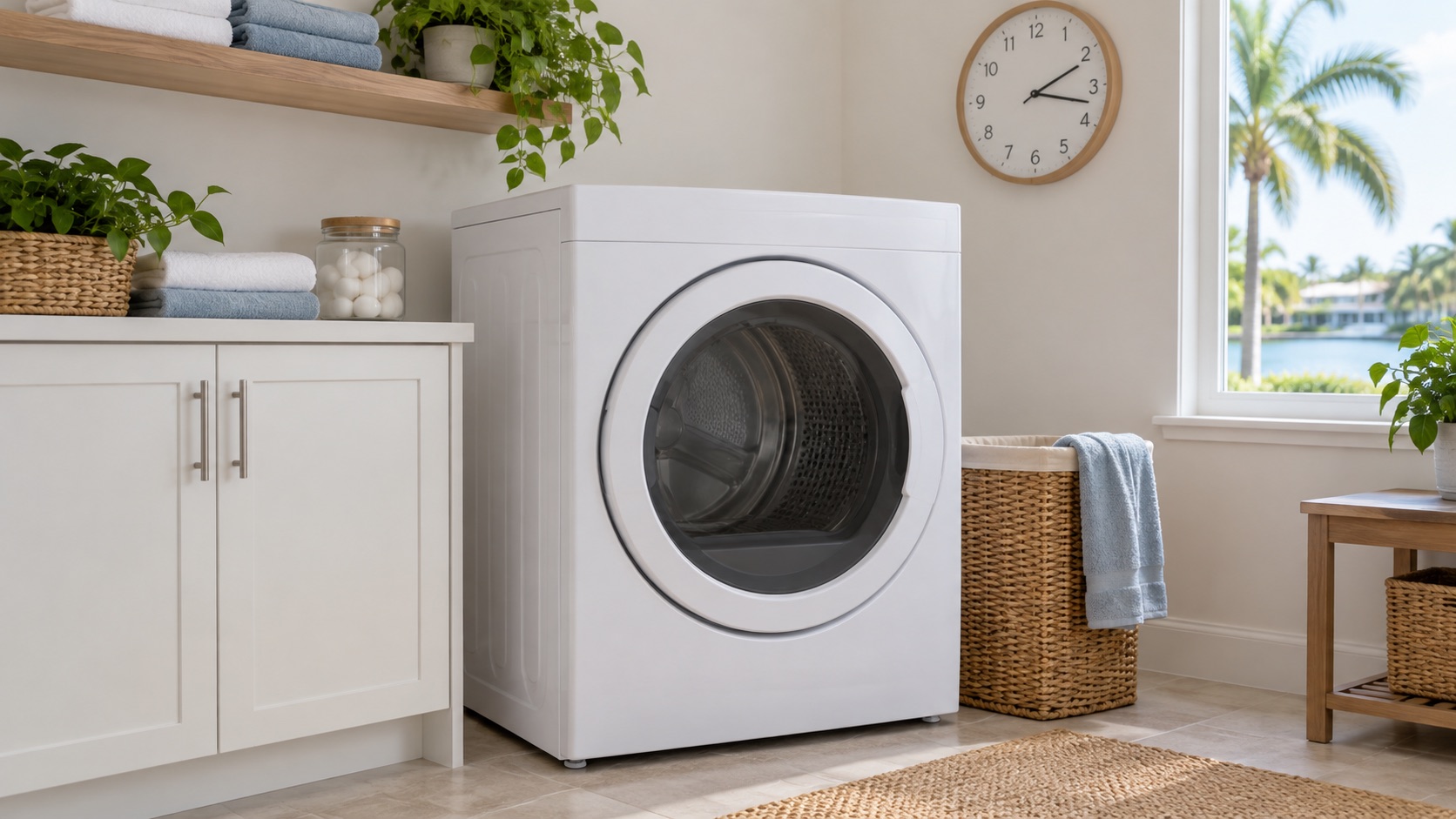
Dryer
Dryer Stops After a Few Minutes: What to Check
Dryer stops after a few minutes? Separate an early Sensor Dry finish from heat, airflow, power or motor symptoms before requesting local dryer repair.
Updated September 24, 2026
Dryer starts and stops early