Stop the Water Before You Diagnose the Cause
Turn the ice maker off using the model’s normal control. GE advises closing the refrigerator water supply if an ice maker still floods after it is switched off. If the shutoff is hidden, corroded, leaking, blocked by cabinetry, or requires you to cross standing water, stop and contact a qualified technician or plumber instead of forcing it.
Keep away from a wet plug, outlet, cord, extension connection, control area, or exposed wiring. Disconnect power only from a dry, safe location. Protect the floor with towels or a shallow container without reaching under a powered appliance. Move food if the refrigerator must remain off.
GE Appliances: ice maker leaking or flooding
Where Does the Ice Maker Leak Start?
Dry accessible surfaces after the water is controlled, then mark the first place that was wet. Water travels along shelves, liners, tubing, wiring channels, doors, and the refrigerator frame. A puddle on the floor does not by itself prove that the source is at the bottom of the appliance.
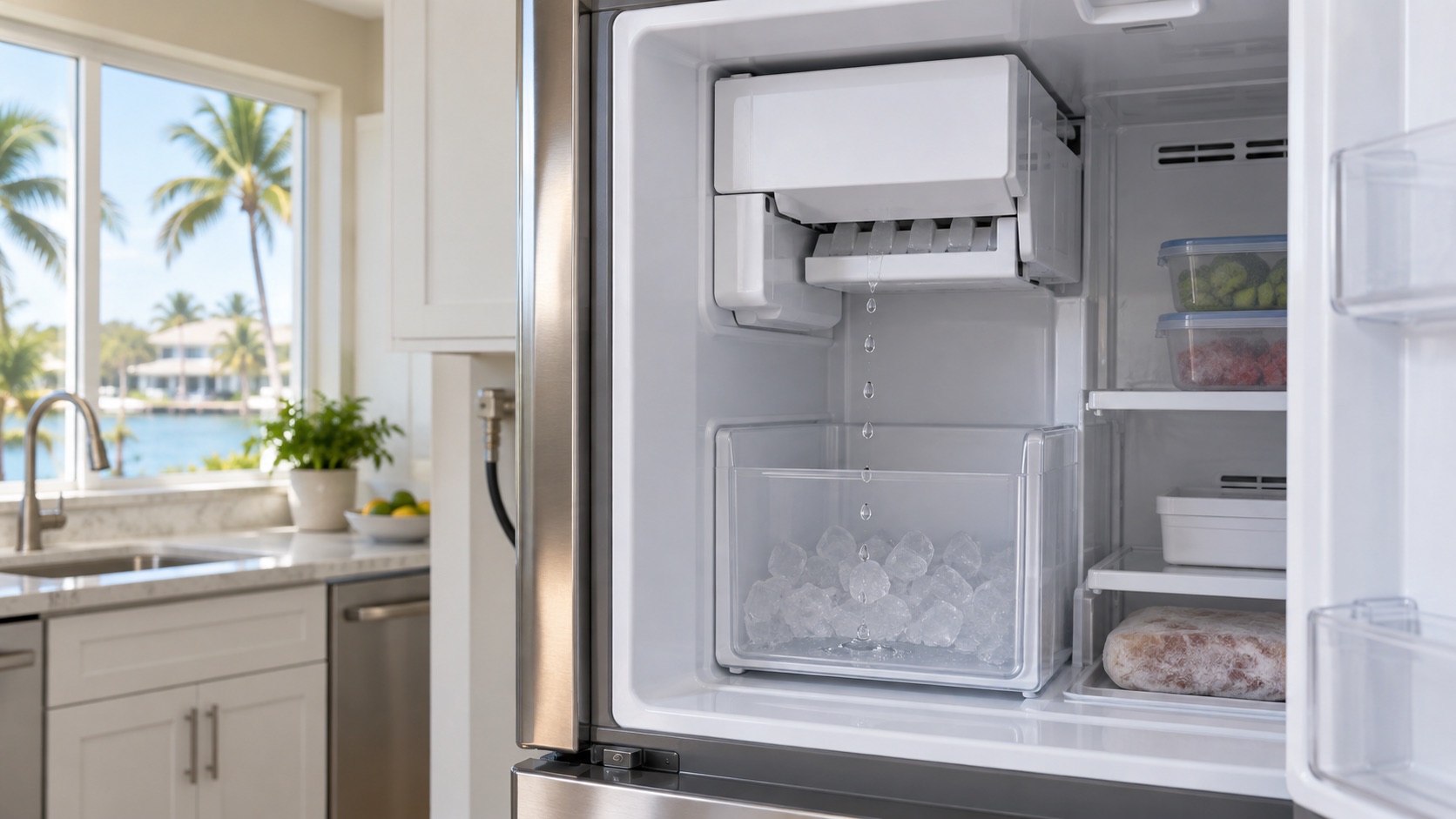
- At the fill tube or above the ice mold: note a drip, spray pattern, ice ridge, or water that misses the mold.
- Inside the ice bucket: note whether cubes are melting, frozen into a mass, or sitting in liquid water.
- At the dispenser chute or drip tray: note ice chips, repeated drips, or a tray that overflows.
- At the filter or inside the fresh-food compartment: note whether the filter was recently changed or reseated.
- At the back connection or household shutoff: note moisture at the fitting without tightening or disconnecting it while the water is on.
- On the freezer floor or under the drawers: note any sheet of ice, frost, or water away from the ice maker.
Water Below the Fill Tube or Inside the Ice Bucket
GE lists loose water-line fittings, a leaking valve, a fill-tube extension, and an overflowing defrost drain among different causes of an ice-maker-area leak. Whirlpool likewise separates the filter, a loose water connection, and the first wet location. These are diagnosis categories, not proof that a particular part has failed.
Record whether water appeared when you heard the normal fill sound or whether the wetness was present after the refrigerator sat idle. Water that misses the mold can involve a frozen, displaced, cracked, or model-specific fill path, excessive or insufficient flow, ice buildup, or alignment. Do not bend the tube, enlarge an opening, adjust a valve by trial and error, or thaw the area with a heat gun.
GE Appliances: ice maker leaking or dripping water
Whirlpool: leaking from the ice maker on a bottom-freezer refrigerator
Melting Ice, a Door-Mounted Bin, or the Dispenser Chute
A door-mounted ice compartment that is not fully closed or a bin that is not seated can allow warm air into the ice area. LG notes that ice can melt when the compartment door is not closed properly or when ice remains in a bin after the ice maker is turned off. In Southwest Florida, warm humid room air can make the resulting moisture more noticeable, but humidity does not explain a repeatable stream during each fill.
Use only the normal owner access in the manual to check that the bin and compartment door are fully seated. Do not force a frozen bucket. At the dispenser, melted ice chips or a full drip tray can look like an ice-maker leak. Whirlpool advises checking residual ice shavings, the drip tray, loose water connections, and filter damage as separate dispenser-leak clues.
LG: troubleshooting leaking from the ice maker
Whirlpool: leaking from a refrigerator dispenser
Leak After Installation or a Water Filter Change
A recent refrigerator installation, water-line move, filter replacement, or appliance relocation is important context. Frigidaire tells owners to check that filters and water connections are secure and to consider trapped air at the dispenser. LG also connects recent installation or filter replacement with air in the water line. The correct filter seating and any flushing procedure are model-specific.
Do not remove a filter while water is actively leaking unless the exact manual identifies that as a safe owner step and the supply has been controlled. Do not assume that purging a line will solve water coming from a cracked housing, damaged tube, loose fitting, inlet valve, or misdirected ice-maker fill.
Frigidaire: refrigerator water leaks
Water Behind the Refrigerator or on the Floor
Water at the wall, shutoff, supply tubing, or rear refrigerator connection belongs on the supply-line path even if the ice maker was operating. Inspect only from a stable, dry position. Do not drag a loaded refrigerator over a wet floor or pull hard enough to kink the line. A plumber may be needed when the leak is at the household valve or plumbing rather than the appliance.
Water on the freezer floor or under fresh-food drawers can come from the defrost drainage system, a filter or reservoir, food containers, or another interior path. GE includes an overflowing defrost drain in its ice-maker leak checklist. Follow the location-specific guides linked above instead of ordering an ice maker based on the final puddle location.
What Professional Diagnosis May Need to Separate
- Melted ice or condensation versus incoming water during a fill.
- A fill-tube position or ice restriction versus a cracked water path.
- A water inlet valve that does not close correctly versus supply pressure or plumbing conditions.
- An ice-maker mold, tray, module, or mounting concern versus a separate filter, dispenser, or door-compartment issue.
- A loose or damaged appliance connection versus a household shutoff or supply-line leak.
- An ice-maker-area leak versus a blocked defrost drain or other refrigerator interior leak.
- A one-time spill or melting event versus a repeatable appliance failure.
The complete refrigerator model matters because ice-maker location, water routing, valves, filters, controls, test procedures, and door compartments vary. A generic replacement part or reset can miss the actual source and allow water damage to continue.
What to Include in a Local Ice Maker Repair Request
Share your city or ZIP code privately so Art’s Appliance Repair can confirm route coverage, ice-maker eligibility, and appointment availability. A preferred online time is a request and requires confirmation.
- Refrigerator brand and complete model number.
- The first place water appeared before it spread.
- Whether it appeared during a fill, after dispensing, after a filter change, after an outage, or while idle.
- Whether the ice maker is now off and whether the refrigerator water shutoff is safely closed.
- Whether ice is melting, clumped, overfilled, or normal in the bucket.
- A safe photo of the first wet area and any display code, with personal documents kept out of frame.
- Any wet floor, cabinet, wall, outlet, plug, cord, or inaccessible household valve.
The service call is waived when the diagnosed repair is approved and completed. Diagnosis is $79 for one appliance or $100 total for two appliances. The recommended repair and price are provided for approval before billable repair work begins.
Request ice maker leak diagnosis
How appliance diagnosis and repair pricing work
Service-call and warranty policy
Ice Maker Leak Diagnosis in Southwest Florida
Art’s Appliance Repair diagnoses ice-maker fill, leak, bin, dispenser, filter, supply, valve, temperature, and refrigerator-drain concerns in Cape Coral, Fort Myers, Naples, and the confirmed Southwest Florida service area. Send the model, first wet location, timing, and water-control status so we can verify the correct service path before scheduling.
Local Ice Maker Service
Relevant local service pages include appliance repair in Cape Coral, Fort Myers appliance repair, and appliance repair in Naples. We also serve surrounding Southwest Florida service areas.
For scheduling, use the Contact page or call/text Art’s Appliance Repair directly.
Related Appliance Guides
Refrigerator
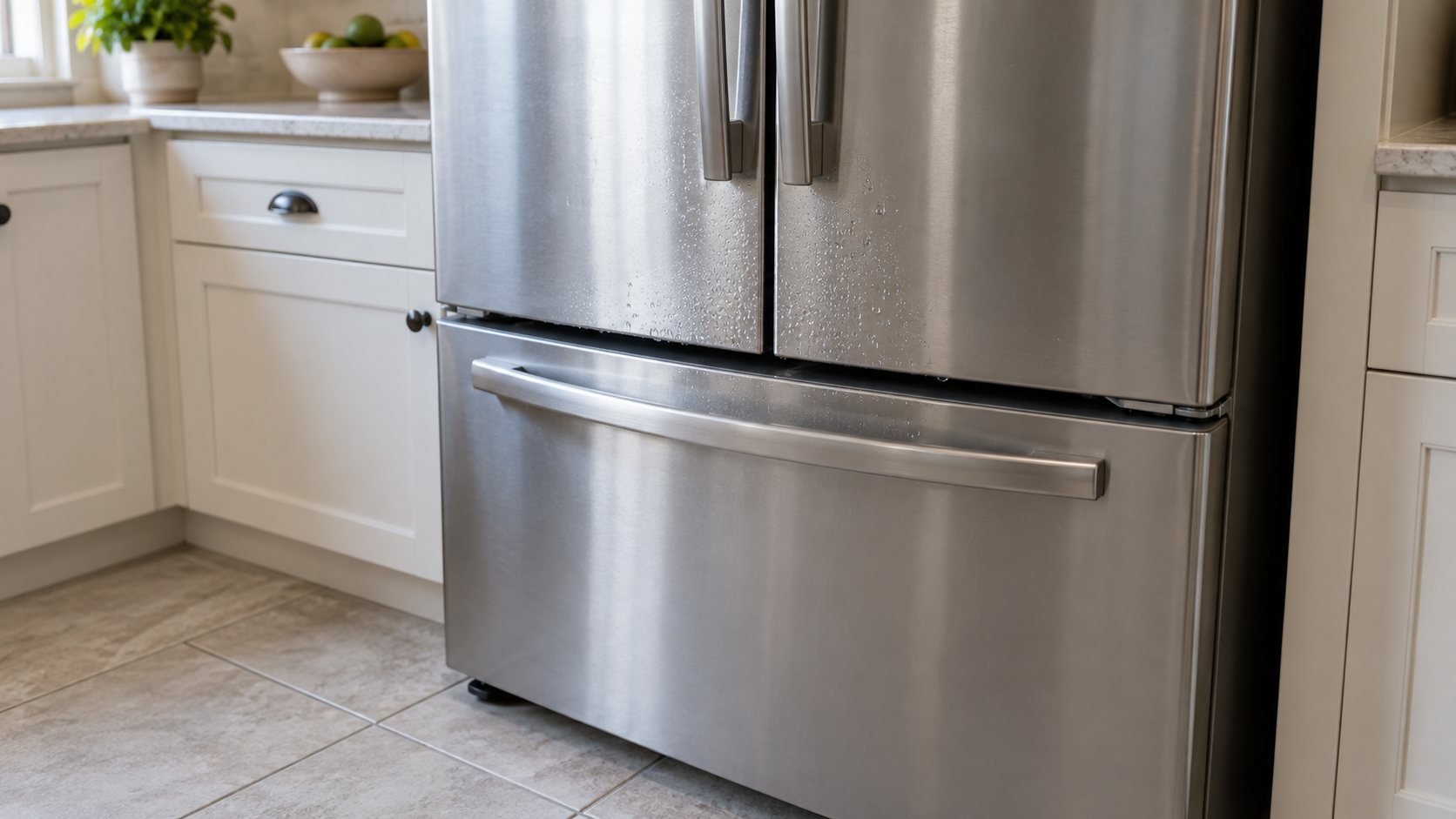
Why Is There Water Under My Refrigerator?
Find the difference between refrigerator condensation and a floor leak, what you can safely check, and when to request repair in Cape Coral or Fort Myers.
Updated September 16, 2026
water is reaching the floor under the refrigerator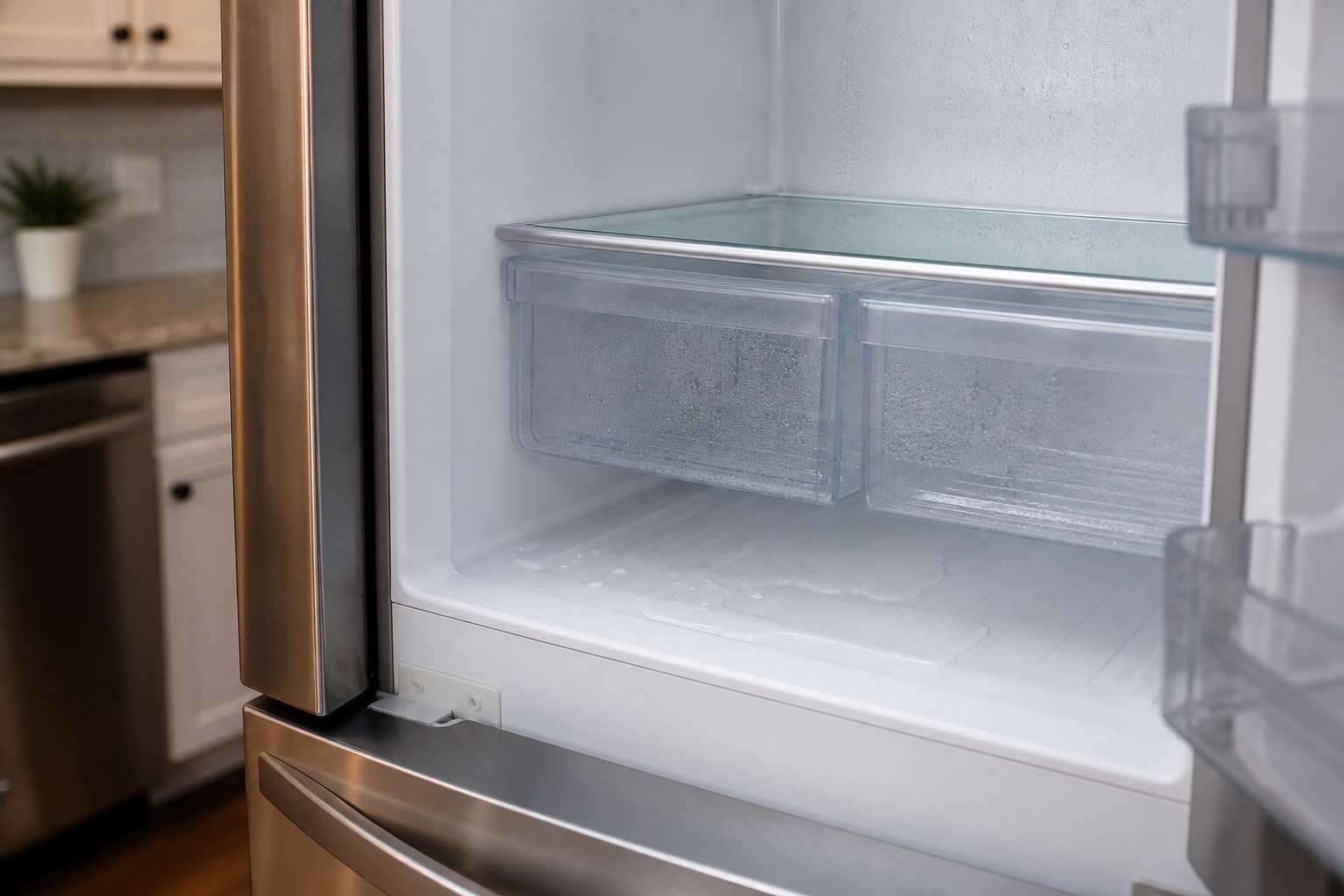
Refrigerator
Refrigerator Leaking Water Inside: Causes and Solutions
Water collecting inside your refrigerator? Learn the most common causes, safe checks, and when to schedule refrigerator repair in Cape Coral or Fort Myers.
Updated August 14, 2026
water is collecting under refrigerator drawers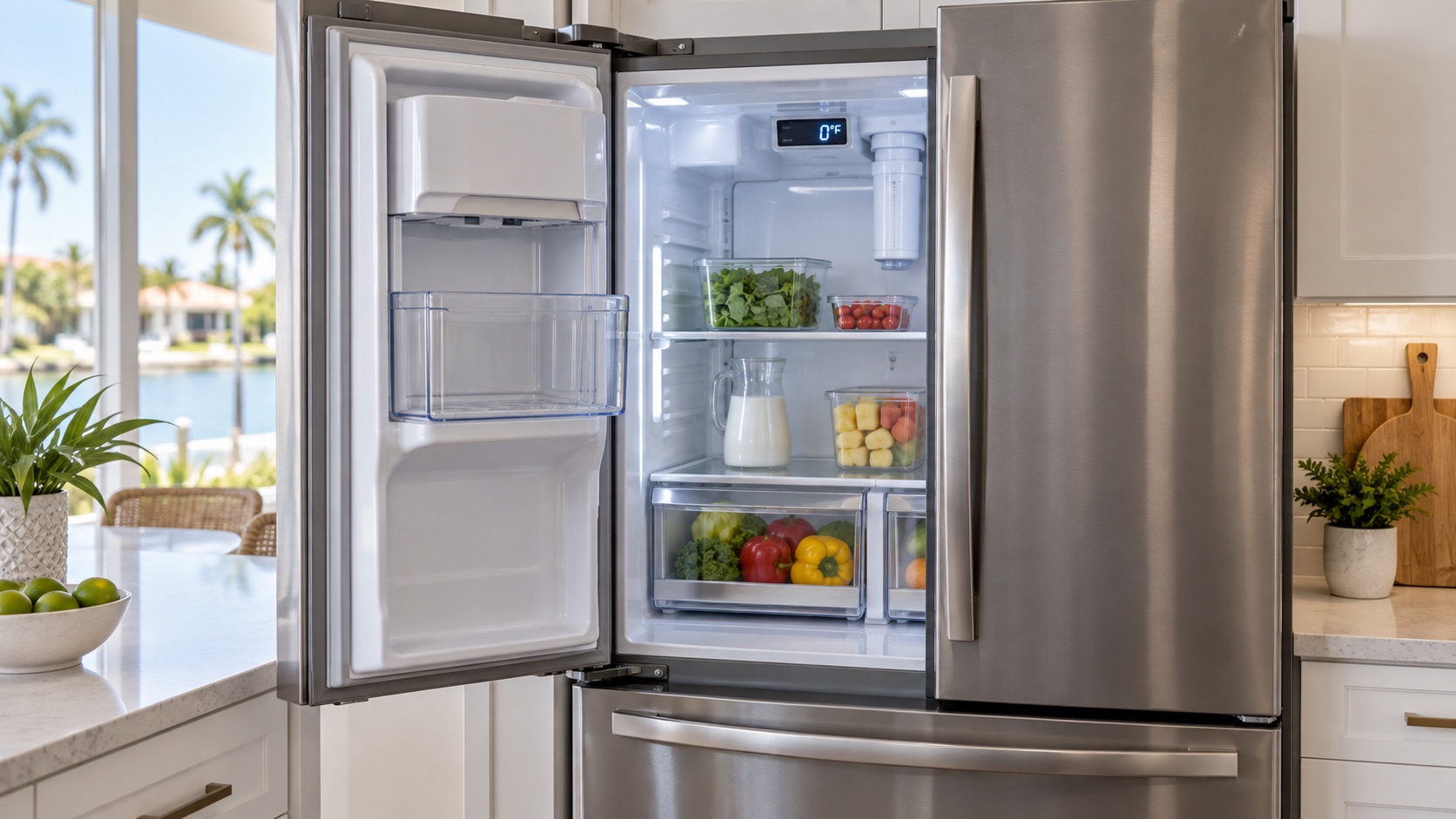
Ice Maker
Ice Maker Not Making Ice: Temperature, Water, Filter, and Brand Clues
Ice maker not making ice? Separate production from dispensing, then record temperature, water, filter, and model clues before local service.
Updated October 2, 2026
the ice maker stopped producing ice