Important Gas Safety Warning
Do not manually light a modern enclosed oven burner unless the exact manufacturer instructions explicitly permit it. Do not bypass or jumper the igniter or gas safety valve, connect a valve directly to power, or adjust a regulator, orifice, conversion component, or gas pressure without proper training and model-specific procedures.
Is the Problem With Bake, Broil, or Both?
Test only through normal controls and stop if gas odor, unusual sounds, or delayed ignition occurs. Note whether Bake fails, Broil fails, or both fail.
- Broil works but Bake does not: focus on the Bake-specific igniter, burner, valve circuit, wiring, and control output.
- Bake works but Broil does not: focus on the Broil-specific system.
- Both fail: shared gas supply, shutoff, regulator, wiring, power, or control concerns become more relevant.
- Cooktop works but oven does not: the oven-specific ignition system can still have a fault.
How a Hot-Surface Oven Ignition System Works
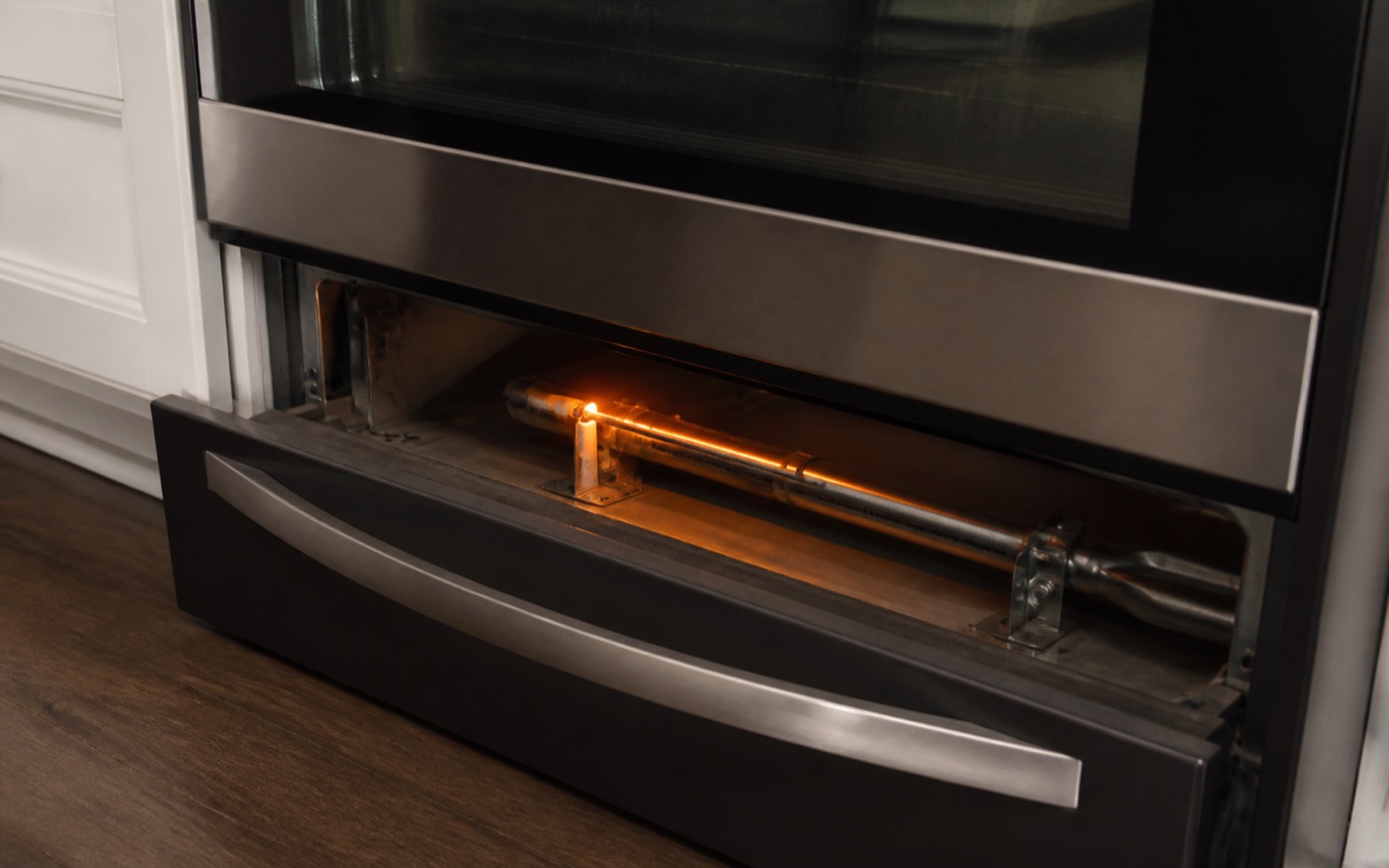
In many modern gas ovens, the control energizes a hot-surface igniter in series with a gas safety valve. The igniter must do more than become visibly hot: the circuit must reach the model-specific operating condition that allows the valve to open. Gas then reaches the burner and ignites at the designated ignition area.
The design is intended to prevent gas flow unless the ignition circuit is ready. That is why the igniter and valve must be evaluated as a circuit and why bypassing either component is dangerous.
A Glowing Igniter Can Still Be Bad
Visible glow confirms that the igniter is receiving some electrical energy. It does not confirm correct current, resistance under heat, mechanical condition, placement, or reliable operation with the safety valve.
A glowing igniter may be weak, the valve may not open, the burner ignition area may be obstructed, or the circuit may have a wiring or control problem. Diagnosis should separate these possibilities instead of treating glow as a pass/fail test.
Weak or Failed Oven Igniter
A weak igniter is a common possibility when it glows for an unusually long time, the burner never lights, ignition is intermittent, or the oven lights cold but becomes unreliable later. These clues are not enough by themselves to authorize replacement.
Oven Gas Supply or Regulator Shutoff
A range can have gas at the cooktop while an oven-specific shutoff, regulator feature, installation issue, or supply restriction affects the oven. Some ranges have a regulator shutoff that can be moved during installation or service.
Do not adjust the regulator, move conversion parts, loosen gas fittings, or assume the working cooktop rules out every supply issue. The installation and model instructions determine the correct checks.
Gas Safety Valve Does Not Open
The safety valve may fail mechanically or electrically, but it should not be replaced just because the igniter glows. The igniter must first be verified under the model’s specifications, along with wiring, supply, and control operation.
Burner Tube or Ignition Area Is Obstructed
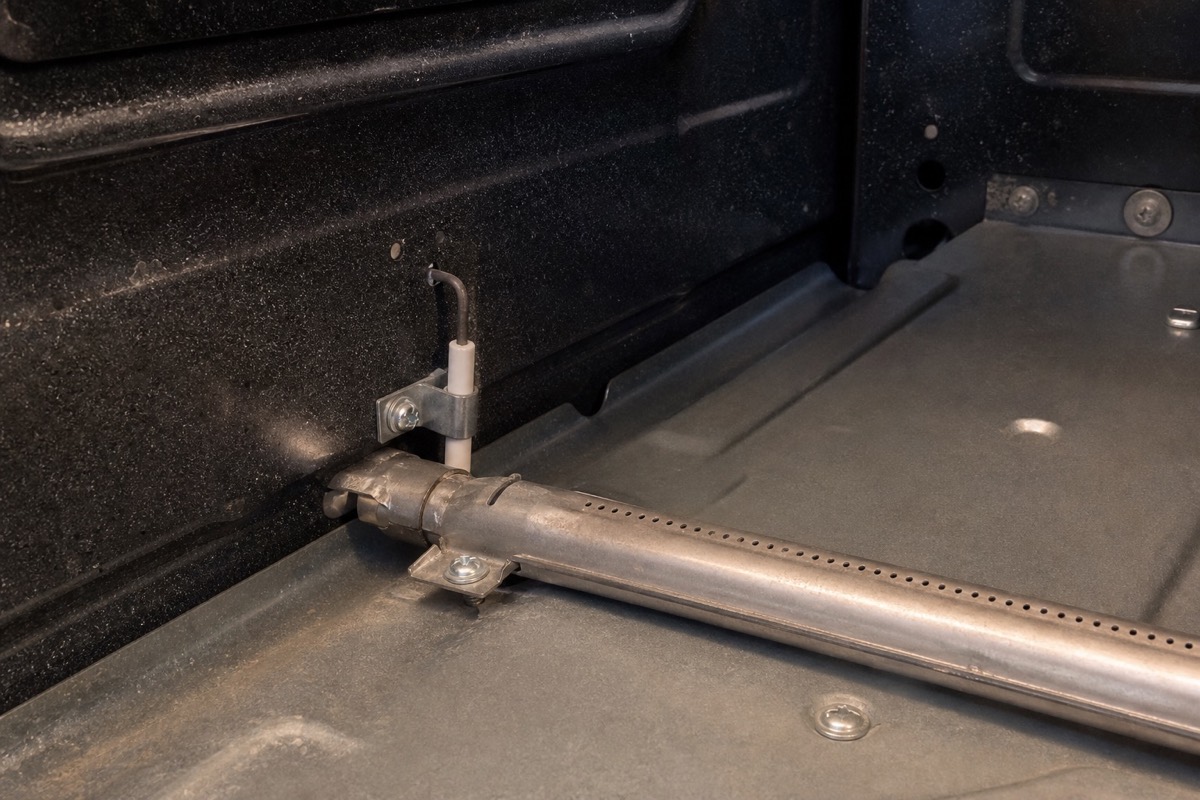
Spill residue, debris, corrosion, or misalignment near the ignition area can interfere with how gas reaches the igniter and burner ports. Cleaning or disassembly must follow the manufacturer’s instructions with power and gas safely disconnected.
Wiring or Connector Damage
Heat-damaged insulation, loose terminals, poor connector contact, or previous repair damage can affect the igniter, valve, or control circuit. Do not touch wiring while the appliance is energized.
Control Board or Relay Problem
A failed relay or control output can interrupt or distort the ignition sequence. The control board should not be replaced until the igniter, safety-valve circuit, wiring, gas supply, and burner have been checked.
Incorrect Natural Gas or LP Conversion
An incomplete or incorrect Natural Gas/LP conversion can affect regulator configuration, orifices, and burner operation. Conversion work is model-specific and should be performed by a qualified professional. Do not alter orifices or gas pressure as a DIY diagnostic step.
Cooktop Works but Oven Does Not
Surface burners and oven burners use different ignition and control parts. Working cooktop flames show that some gas reaches the appliance, but they do not prove that the Bake or Broil igniter, valve circuit, burner, wiring, or control is working.
Igniter Glows for a Long Time Before Flame Appears
This is delayed ignition, not the same as a complete no-flame condition. Stop repeated attempts, especially if you smell gas. A weak igniter is possible, but burner condition, supply, valve operation, wiring, and control timing also require diagnosis.
If the oven eventually heats but preheating is abnormally slow, also see why an oven takes too long to preheat.
Burner Lights and Then Goes Out
A flame that appears and then goes out follows a different path from an igniter that glows with no flame. Possible areas include supply stability, burner condition, valve operation, wiring, and control cycling. Stop using the oven if ignition is unstable or gas odor occurs.
Igniter Does Not Glow at All
No glow points toward a different electrical or control path: power, mode selection, door or lock state on applicable models, igniter continuity, wiring, safety devices, and control output. Check any displayed appliance error code before resetting controls.
Oven Lights Once but Will Not Relight
An oven may ignite when cold but fail during a later heating cycle. A warm-relight problem can involve an igniter whose behavior changes with heat, a connection that opens when hot, valve operation, or control timing. This differs from consistently inaccurate oven temperature.
If the burner operates but the average temperature is inaccurate or unstable, use the guide for an oven not heating to the correct temperature.
Do Not Manually Light a Modern Gas Oven
Do Not Bypass the Igniter or Safety Valve
Never jumper the safety circuit, connect the valve directly to power, hold a valve open, or modify wiring to force ignition. These actions can release unburned gas and create fire, explosion, carbon-monoxide, and electric-shock hazards.
What a Technician Usually Checks
- Confirm whether Bake, Broil, or both fail and reproduce the symptom through normal controls.
- Observe the ignition sequence and timing from a safe position.
- Verify model, fuel type, installation configuration, and supply status.
- Inspect igniter condition, position, burner openings, wiring, and connectors with power and gas safely isolated.
- Test the igniter and safety-valve circuit to model specifications.
- Verify valve, regulator, and supply behavior using approved procedures.
- Evaluate control output only after the ignition circuit and supply are checked.
- Perform a safe final operating test and verify reliable Bake and Broil cycling.
Safe Things You Can Check
- Confirm that the appliance has power and the display responds.
- Check whether Control Lock, Sabbath, Demo, or another mode is active where applicable.
- Note whether Bake, Broil, or both are affected.
- Observe only through the normal viewing position whether the igniter glows; do not remove live panels.
- Record how long the glow continues and whether flame appears, goes out, or fails on relight.
- Record any error code before resetting the oven.
- Check the owner’s manual for an external, model-approved shutoff or setup check.
- Stop immediately if gas is smelled or heard.
When to Stop Using the Oven
- Gas is smelled or heard.
- Ignition is delayed or occurs with a small boom or flash.
- The burner repeatedly fails to light or relight.
- Flame appears and then becomes unstable or goes out.
- Soot, scorching, melted wiring, or an abnormal flame pattern is visible.
- A carbon-monoxide alarm activates.
- The oven continues operating abnormally after cancellation.
For suspected gas or carbon-monoxide danger, leave the area and contact emergency services and the gas utility from a safe location. Do not route a gas leak as a normal appliance-repair booking.
When to Schedule Gas Oven Repair
Schedule diagnosis when the igniter glows but the burner does not light, Bake or Broil fails independently, ignition is delayed, the oven lights only after several attempts, the burner will not relight, or an ignition-related error returns.
For non-emergency appliance diagnosis, view our oven and range repair service or contact Art’s Appliance Repair.
Frequently Asked Questions
Can an oven igniter glow and still be bad?
Yes. A hot-surface igniter can glow but still fail to operate the gas safety-valve circuit correctly. A technician must compare its behavior with the model’s ignition specifications.
Should I replace the gas valve if the igniter glows?
No. A glow alone does not prove that the valve failed. The igniter, valve circuit, supply, burner, wiring, and controls must be diagnosed before parts are replaced.
Why do the cooktop burners work while the oven does not?
The cooktop and oven use different ignition and control components. Working surface burners confirm only that gas is available somewhere at the appliance, not that the oven-specific circuit is operating correctly.
Can I manually light the oven with a match?
Do not manually light a modern enclosed oven burner unless the exact manufacturer instructions explicitly permit it. Manual lighting can release unburned gas or create delayed ignition.
Why does the oven eventually light after several attempts?
Intermittent or delayed ignition can involve a weak igniter, burner condition, supply or valve operation, wiring, or control behavior. Stop repeated attempts and arrange diagnosis, especially if gas odor occurs.
Could the control board cause the igniter to glow but no flame?
It is possible, but the board is not an automatic first suspect. The igniter, gas-safety circuit, wiring, supply, and burner should be checked before the control is replaced.
What should I do if I smell gas?
Stop testing. Do not operate lights, switches, phones, garage-door openers, or electronics in the suspected area. Leave the building and contact emergency services and the applicable gas utility from a safe location.
Photo guide
Diagnostic Photos
Local Oven & Range Service
We provide oven & range repair in Cape Coral and Fort Myers, along with surrounding Southwest Florida service areas.
For scheduling, use the Contact page or call/text Art’s Appliance Repair directly.
Related Appliance Guides
Oven
Oven Takes Too Long to Preheat: What Usually Causes It?
Oven preheating slowly, or Broil working while Bake stays weak? Compare the right symptoms, check model-specific controls, and know when to request local repair.
Updated September 12, 2026
oven takes too long to preheat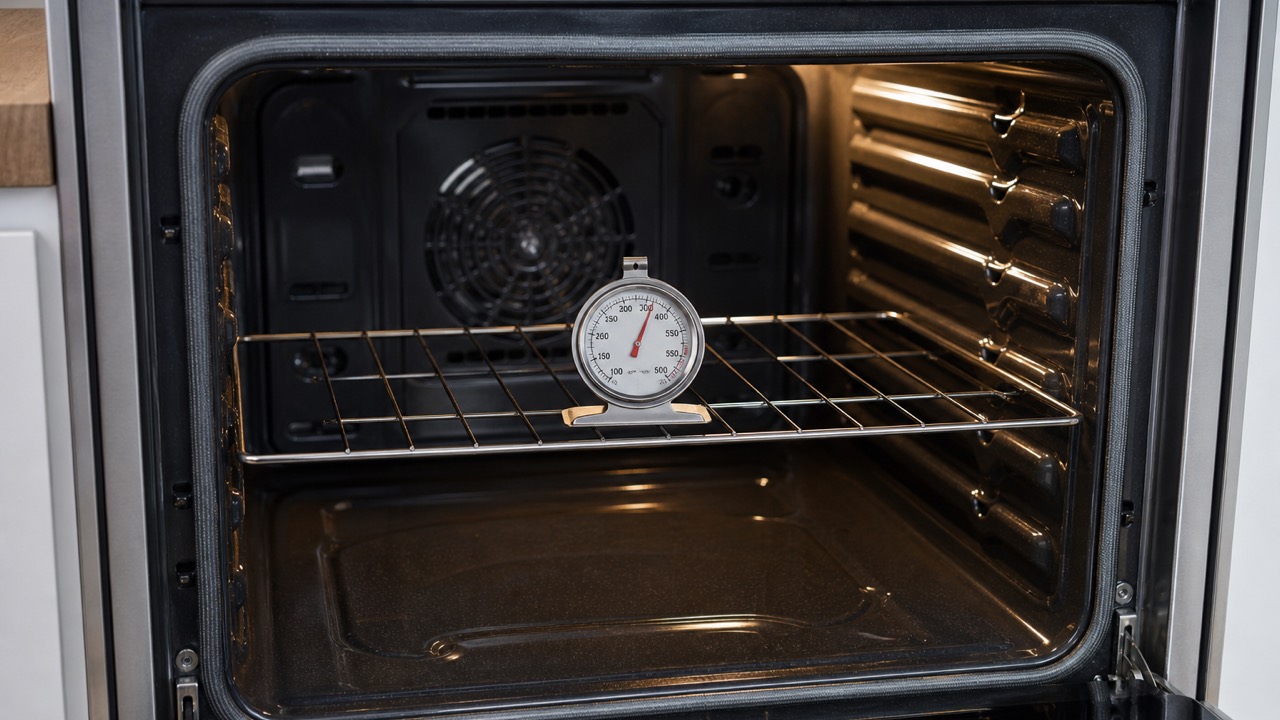
Oven
Oven Not Heating to the Correct Temperature: Common Causes
Oven too hot, too cold, or heating unevenly? Learn the common causes, safe checks, and when to schedule oven repair in Cape Coral or Fort Myers.
Updated August 11, 2026
oven temperature is inaccurate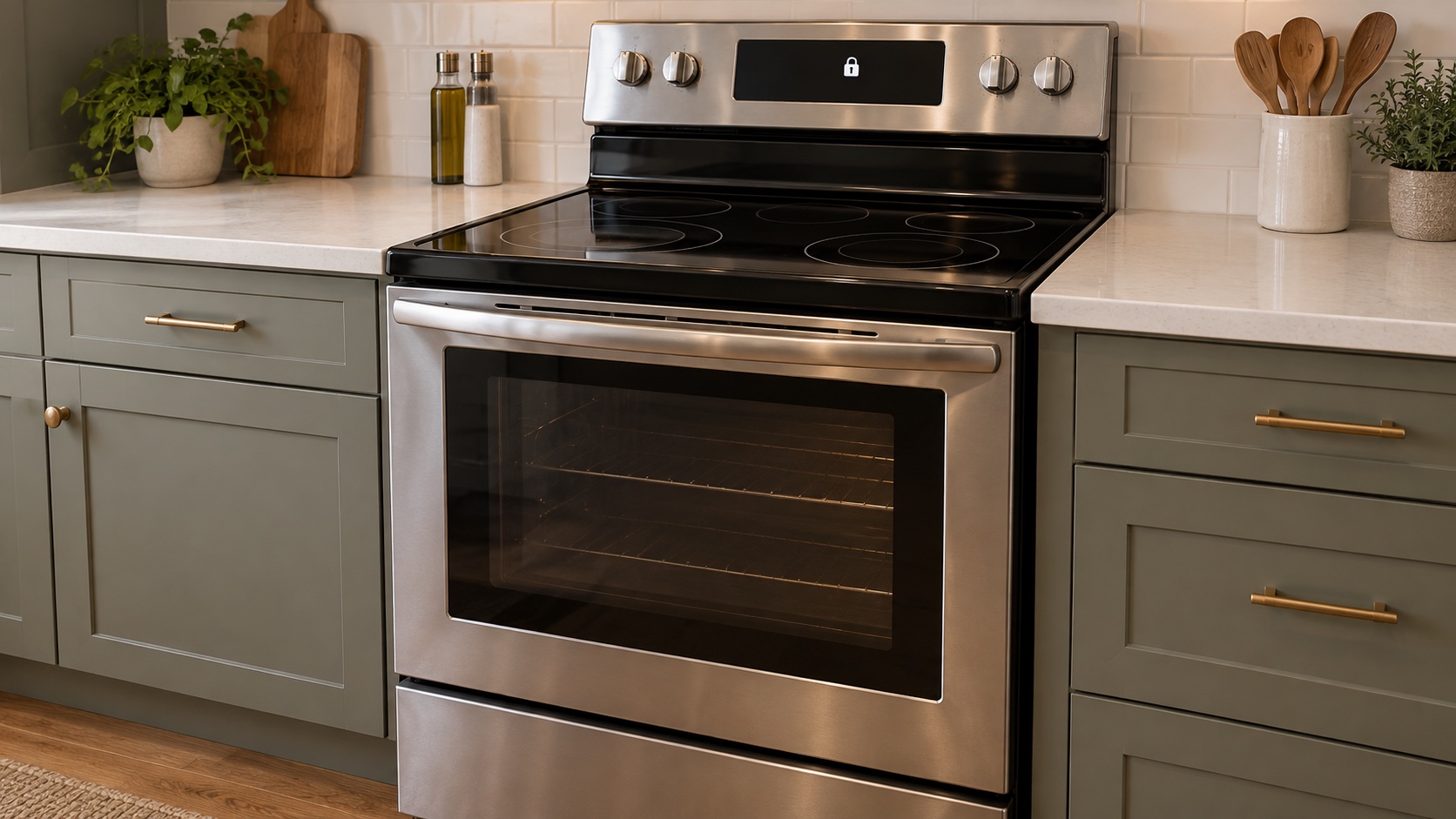
Oven
Oven Door Locked After Self-Clean? What to Do Safely
Oven door still locked after Self Clean? Let it cool, identify the lock state and use model-specific controls before requesting oven repair.
Updated September 20, 2026
oven door locked after self cleanNeed service?
Gas Oven Repair in Cape Coral, Fort Myers and Southwest Florida
Art’s Appliance Repair provides gas oven diagnostics and repair throughout Cape Coral, Fort Myers, North Fort Myers, Lehigh Acres, Estero, Bonita Springs, Naples, and surrounding Southwest Florida communities.
We diagnose gas oven ignition problems, Bake or Broil burners not lighting, delayed ignition, failed igniters, valve and regulator concerns, wiring and control problems, slow preheating, and ignition-related error codes.
Call or text (239) 688-9955 to schedule non-emergency oven service.
The service call is $0 when the diagnosed repair is approved and completed. If no repair is completed, the diagnostic service call is $79.
View Oven & Range Repair