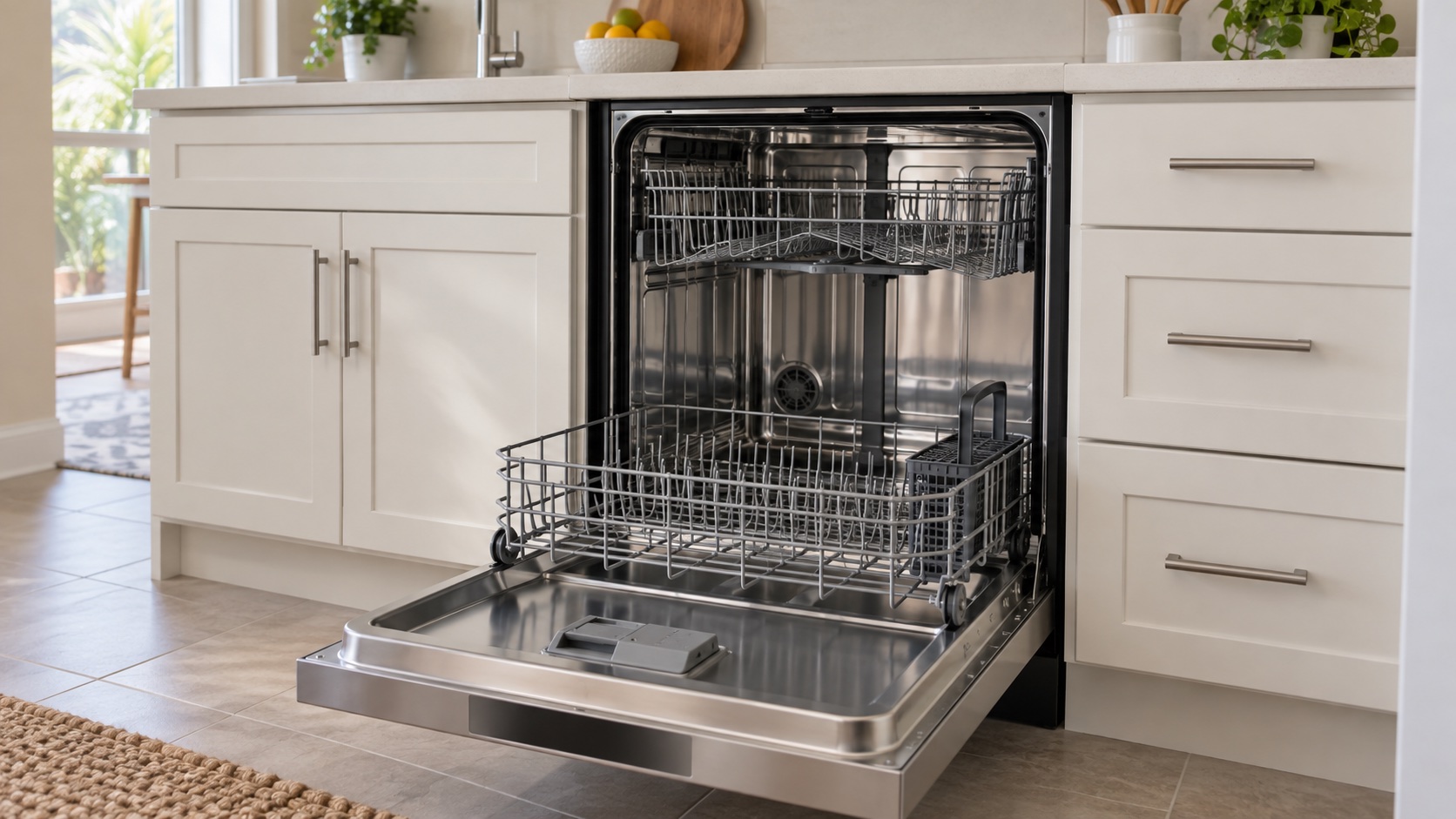
Start With the Controls and Accessible Water Supply
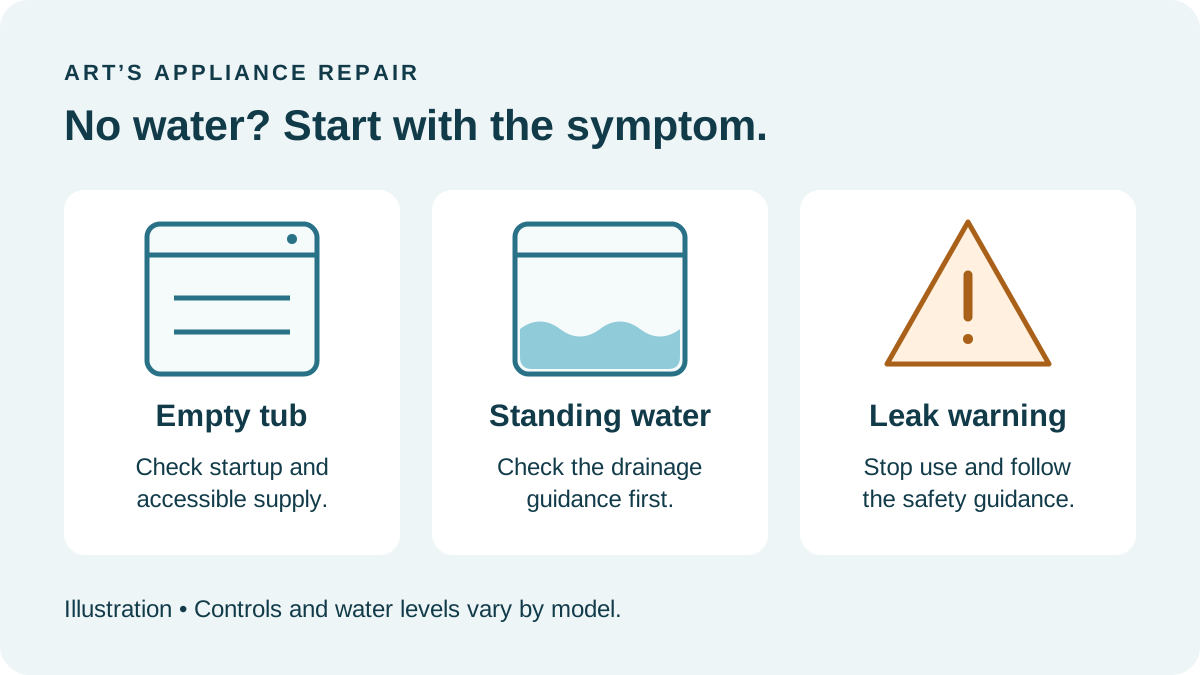
View the illustrated comparison of no-fill, standing-water, and leak-warning symptoms
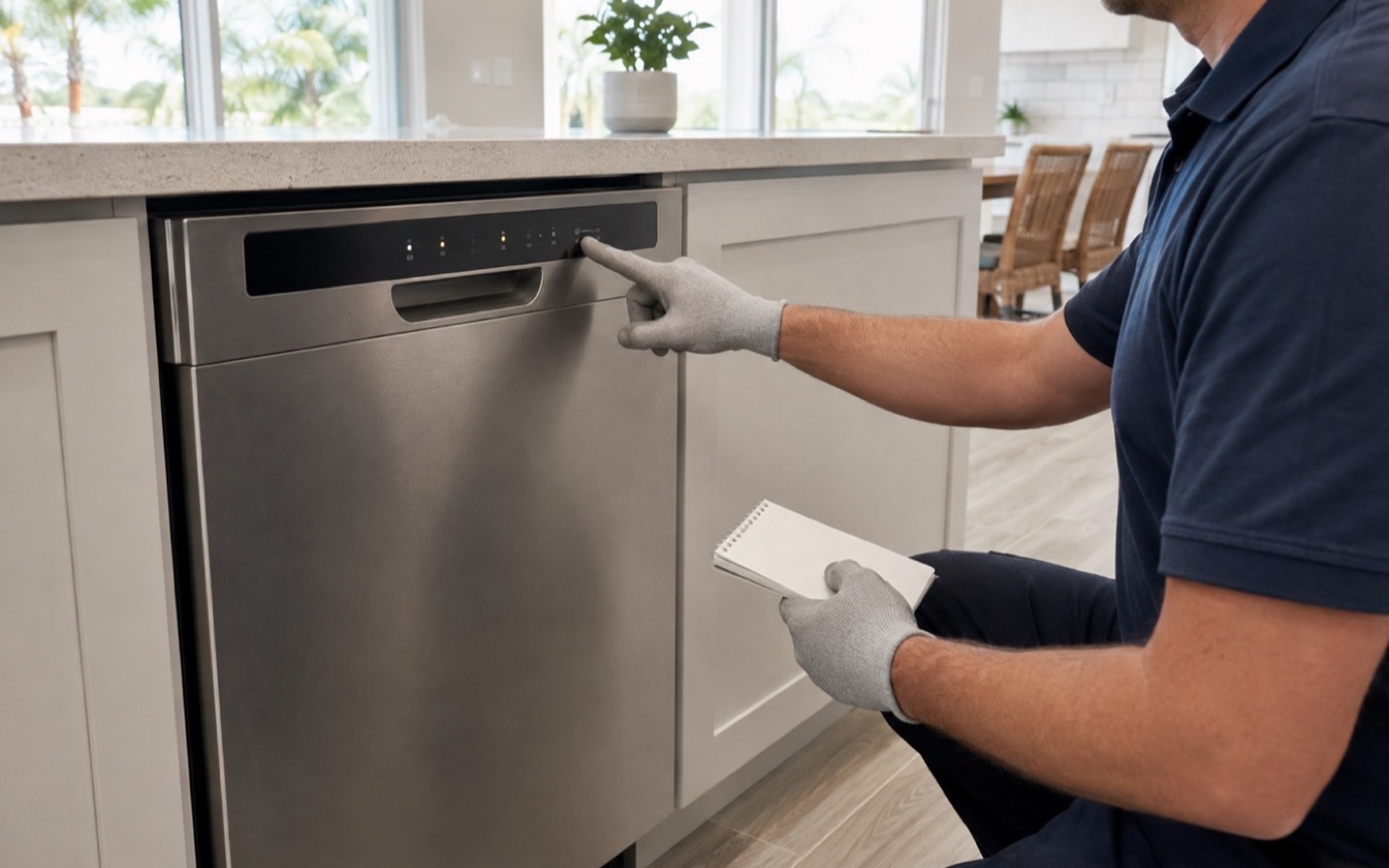
Use the Start or Resume procedure in your model’s manual. Make sure the racks are pushed in and the door closes normally. A flashing Start light can indicate a paused cycle or an unlatched door. If the controls never accept Start, use the separate startup guide.
Dishwasher has power but will not start
Check the dishwasher’s own shutoff valve, often in the sink cabinet. Running water at the faucet does not prove this separate valve is open. A valve left closed after plumbing work or installation is useful information to report. Operate it only if you can positively identify it and it moves normally; do not force a stiff, corroded, or leaking valve.
Whirlpool: water supply, door, and resume checks
Look at the exposed supply hose for a sharp bend, crushing, or visible damage. Keep this a visual check: do not disconnect a pressurized line, remove access panels, or pull a built-in dishwasher out to inspect it. Whirlpool identifies a restricted hose or supply connection as a possible reason for poor filling. A plumber or installer can address a damaged household connection.
Whirlpool: dishwasher water-supply connection
Do Not Judge the Fill by Sound Alone
Write down what happens in order: Start is accepted, a pump runs, water can be heard, then an error appears—or washing begins. That sequence is more useful than saying only that the dishwasher hums. Do not leave it running through repeated unsuccessful attempts to gather more observations.
Startup timing varies. GE notes a delay before filling on certain mechanical turn-to-start models. That does not establish a waiting time for every electronic dishwasher. Follow your own manual’s sequence, and pause the machine as instructed before opening the door. Let spraying stop and keep clear of hot water or steam.
There is no universal water-depth target for every dishwasher. Avoid comparing your tub to an online photo or pouring in water until the level looks right. Report whether you saw any incoming water and whether water was already there before the attempt.
Standing Water Changes the Next Step
GE explains that a drainage problem can prevent a fresh fill. If the previous cycle left dirty water behind, the fill valve may not be the starting point for diagnosis. Use the drainage instructions for your model. Clean a removable filter only when the owner’s manual identifies it as user-serviceable and explains safe removal and reinstallation.
Flood-float designs also differ. GE distinguishes models with an owner-accessible float from those requiring service. Do not pry at an unfamiliar cap, assume every round part is a float, or hold a float down to make the appliance run. Ask for service when access or identification is uncertain.
GE Appliances: no-fill, drainage, and model-specific float guidance
A Leak Code Is Different From a Water-Supply Code
On the Samsung models covered by its error-code guide, 4C or 4E indicates a water-supply issue involving the required pressure or temperature. LC or LE relates to leak detection and can make the dishwasher keep trying to drain. Waterwall models have an additional reflector-related exception. Check the exact model’s instructions rather than applying these codes to other brands.
Photograph the code before attempting a reset. Samsung advises troubleshooting the cause before clearing it. An empty-looking wash tub does not rule out moisture elsewhere in the appliance, and repeatedly cancelling the drain action does not fix a leak.
Samsung: dishwasher error codes and their different meanings
Samsung: leakage warnings and shutting off power and water
Did This Begin After Installation or Plumbing Work?
Tell the installer what changed and when. A supply valve may still be closed, a hose may have been pinched, or the drain routing may need correction. Whirlpool notes that an incorrectly routed drain can allow siphoning, making filling appear unsuccessful. Have the installer check the model’s installation instructions; a generic drain-hose height is not a substitute for those requirements.
For a new appliance, keep the installation paperwork and check the manufacturer’s warranty service route before approving a paid repair. Avoid changing plumbing or removing the appliance just to test a guess.
What to Tell the Technician
A no-fill symptom needs diagnosis, not an automatic inlet-valve replacement. Supply restrictions, drainage, a protection system, and internal controls can produce overlapping observations. The technician can decide which checks are appropriate for the model without asking you to test energized wiring.
- Brand and model from accessible paperwork or a label; do not move the machine to find it.
- The exact error code or a photo of the flashing-light pattern.
- Whether water was left in the tub before Start and whether new water entered.
- Whether the pump stops, runs continuously, or is followed by normal washing.
- Any visible leak, recent installation, plumbing work, or supply interruption.
- The external checks completed, without guessing which part has failed.
Request a dishwasher service appointment (time subject to confirmation)
Read the service call and warranty policy
Local Dishwasher Service
We provide dishwasher repair in Cape Coral and Fort Myers, along with surrounding Southwest Florida service areas.
For scheduling, use the Contact page or call/text Art’s Appliance Repair directly.
Related Appliance Guides
Dishwasher
Dishwasher Has Power but Won’t Start: What to Check
Dishwasher has lights but won’t start? Check Control Lock, Delay Start, the door latch, water supply, leak protection and controls before replacing parts.
Updated September 9, 2026
Lights work but the dishwasher never starts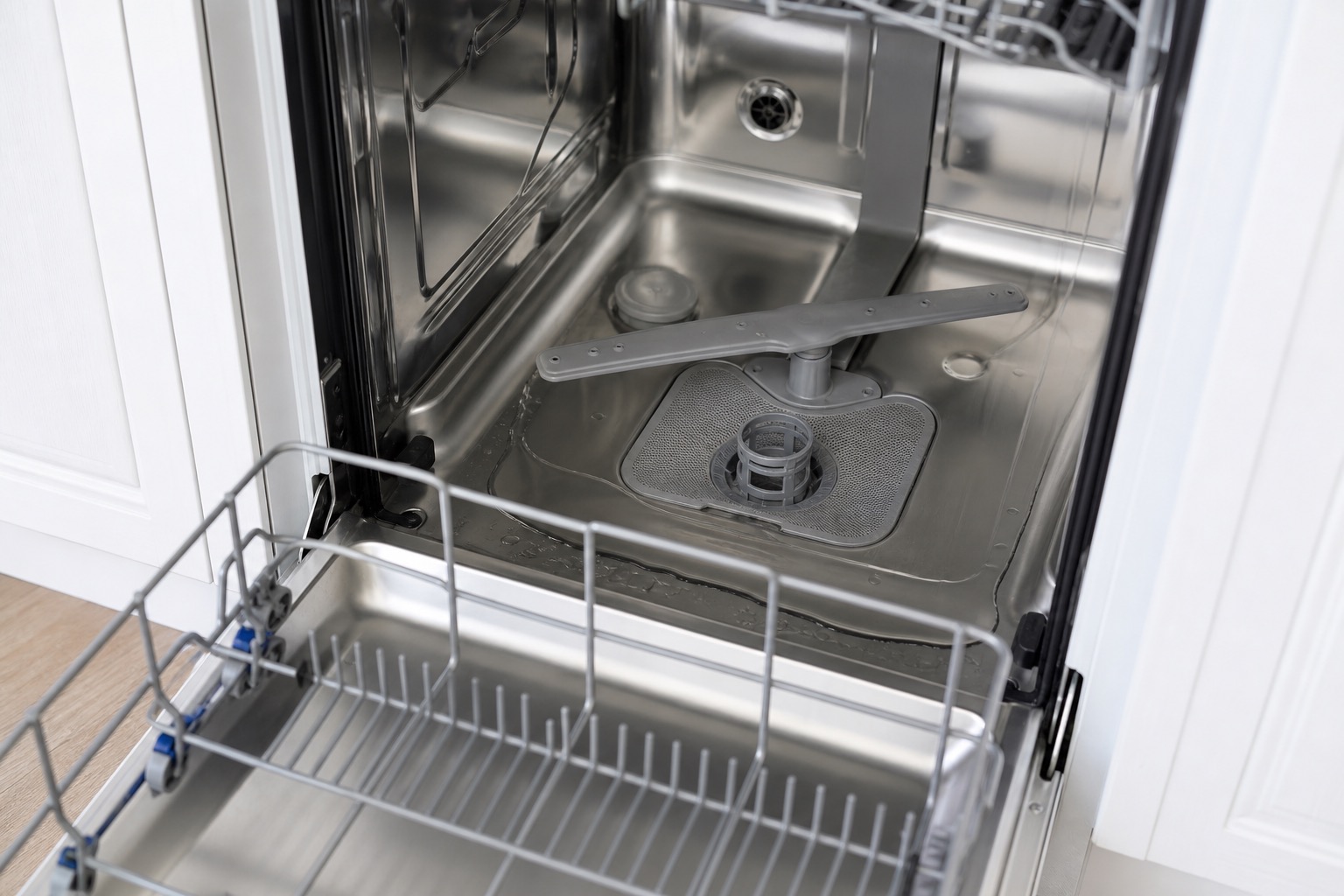
Dishwasher
Dishwasher Has Standing Water at the Bottom: What Does It Mean?
Standing water in your dishwasher? Learn the common causes, safe checks, and when to schedule dishwasher repair in Cape Coral or Fort Myers.
Updated August 11, 2026
Standing water remains after a cycle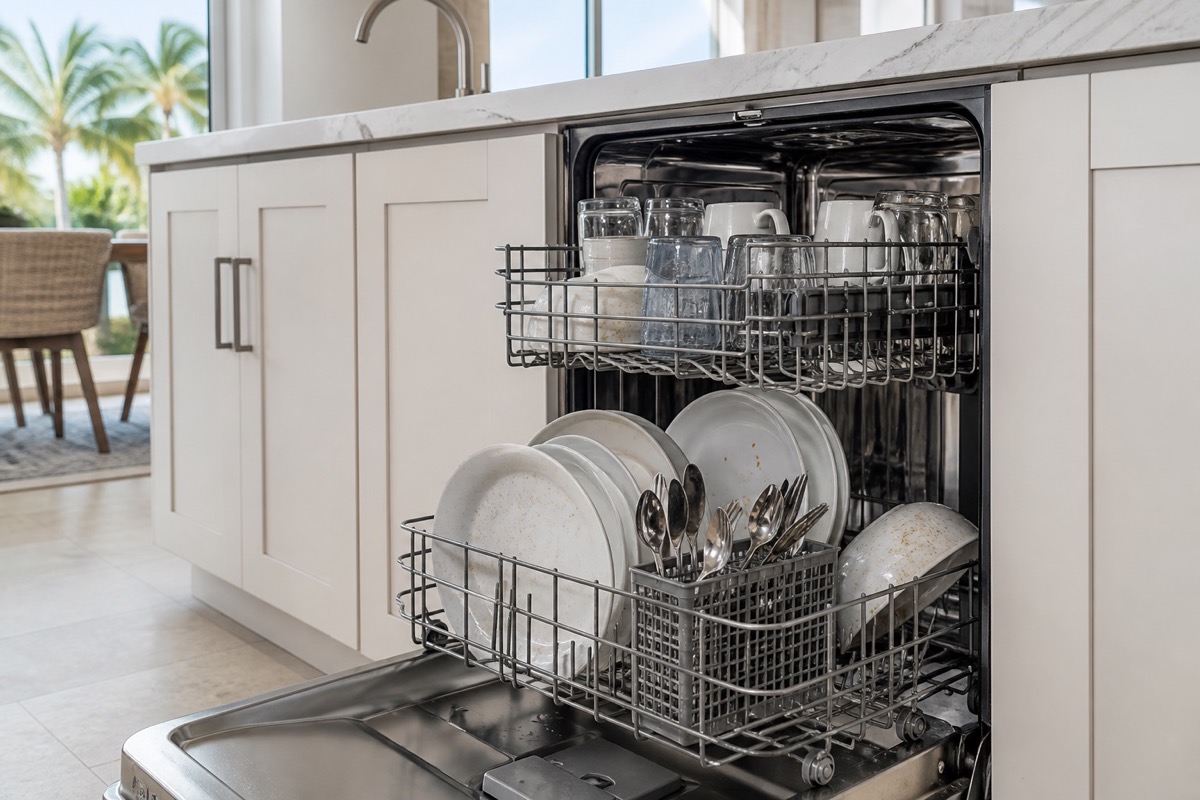
Dishwasher
Dishwasher Runs but Does Not Clean the Dishes: Common Causes
Dishwasher running but dishes still dirty? Learn the common filter, spray arm, pump, water, heating, and detergent problems and when repair is needed.
Updated August 7, 2026
Water enters but dishes do not get cleanNeed service?
Dishwasher Repair in Southwest Florida
Art’s Appliance Repair provides in-home dishwasher diagnosis in Cape Coral, Fort Myers, and its Southwest Florida service area. Share the observations above when requesting an appointment. We explain the findings and repair price before work begins; requested times and availability require confirmation.
The service call is $0 when an approved repair is completed; $79 if no repair is completed after diagnosis.
View Dishwasher Repair